






dowell | Moment | Getty Images
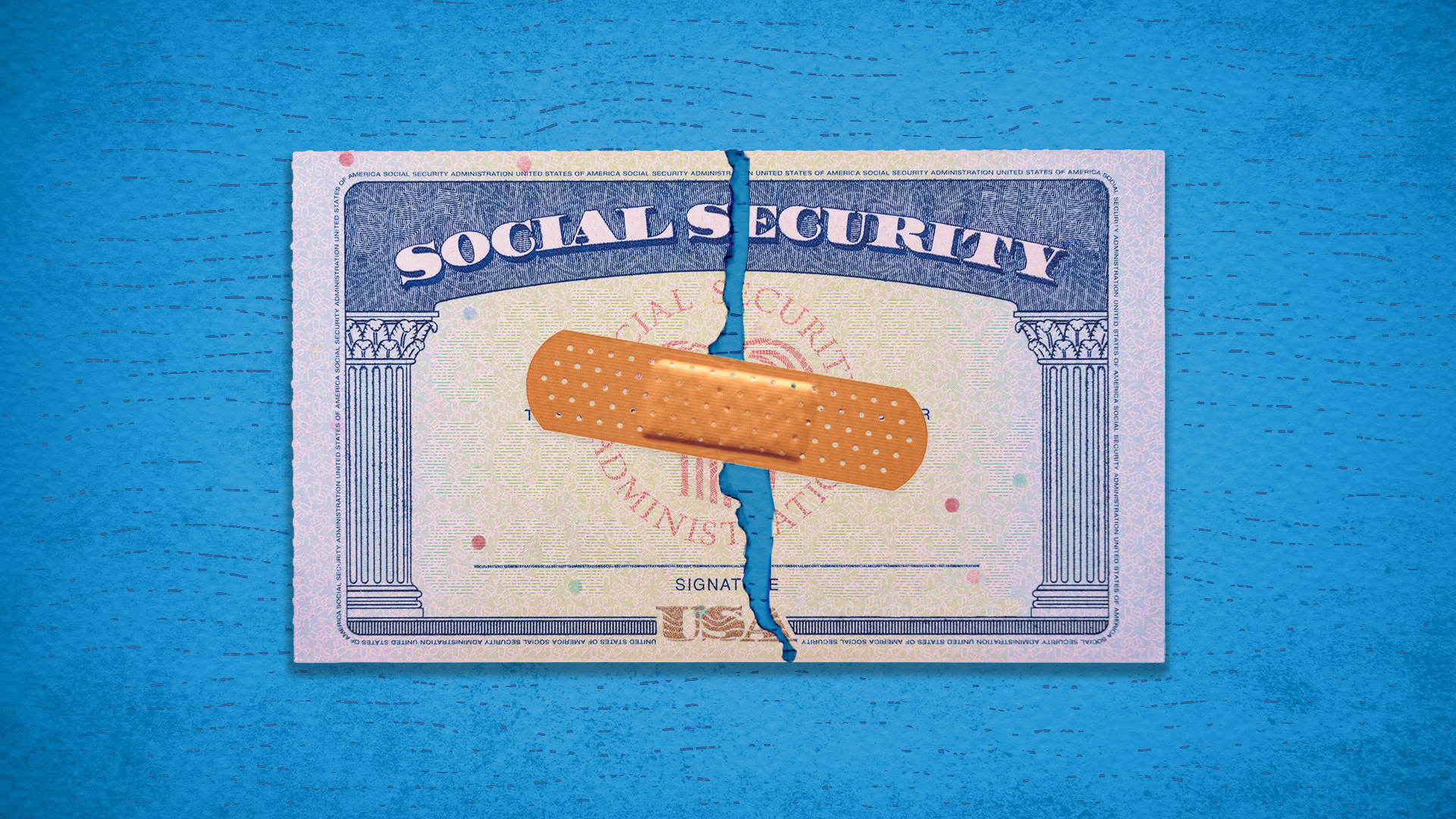
Now that Series I bonds pay higher interest, the government-backed, nearly risk-free asset could be more attractive for certain investors. But I bonds have downsides, and there are alternatives to consider.
Newly purchased I bonds currently pay 5.51% annual interest through April 30, up from the 4.26% yield offered on purchases made through October.
Amid rising inflation, the variable part of I bond interest rose to 4.08%, while the fixed part increased to 1.40%, the highest since 2006. Combined, the 5.51% composite rate is the biggest yield since November 2022.
The new I bond rate is “very attractive,” according to Ken Tumin, founder of DepositQuest.com, a blog that tracks I bond rates, among other deposit accounts.
The variable part of I bond interest resets every six months, based on the consumer price index. For the next six months after purchase, I bonds look “very competitive” compared to other shorter-term options for cash, such as savings accounts or certificates of deposit, according to Tumin.
Meanwhile, the I bond’s 1.4% fixed rate stays the same for as long as you own it, which could appeal to longer-term investors, he said.
But I bonds aren’t right for everyone. Here are some key things to know before purchasing.
I bonds can be a ‘secondary emergency fund’
Investors can buy $10,000 of electronic I bonds per person per calendar year via their TreasuryDirect account. You can open additional TreasuryDirect accounts for other family members or businesses to buy more.
I bond interest is tax-deferred until redemption and is not subject to state or local taxes. You can also avoid federal taxes if you use the money for qualified education expenses.
But experts say there are some downsides. The funds are locked up for 12 months from purchase, and you’ll lose your last three months of interest if you redeem within five years.
Advisors typically recommend keeping at least three to six months of living expenses in cash for emergency savings. I bonds could boost those reserves, experts say, as long as you keep enough readily accessible cash elsewhere.
“I always say [I bonds are] a secondary emergency fund,” said David Enna, founder of Tipswatch.com, a website that tracks Treasury inflation-protected securities, or TIPS, and I bond rates.
Once you own I bonds for five years, you can redeem the money as needed, penalty-free.
I bond alternatives
With I bond purchase limits, restrictions and some TreasuryDirect complaints, advisors often recommend other options for clients who want to preserve purchasing power.
“For most of my clients, I bonds are more hassle than they’re worth,” said certified financial planner Eileen Olson, founder of advisory firm Emerald Wealth in Daufuskie Island, South Carolina. “The amount is too small to matter.”
On a $2 million portfolio, the $10,000 annual purchase limit is only 0.5%, and it earns about $550 in a year before federal taxes, she said. “That won’t protect anyone’s lifestyle from inflation.”
Instead, Olson prefers TIPS, which don’t have purchase limits and can be bought alongside other assets, outside TreasuryDirect.
TIPS have five-, 10- and 30-year terms, with yields ranging from about 2.3% to above 3% for the 30-year term, as of Nov. 2.

However, the right option depends on your investing goals and timeline, experts say.
“For short-term cash, Treasury bills and high-yield savings are simpler,” Olson said.
Also backed by the U.S. government, Treasury bills, or T-bills, have terms ranging from four weeks up to 52 weeks. As of Nov. 2, some T-bill yields were well over 4%.
By comparison, the top 1% average of high-yield savings accounts were paying above 4%, according to rate comparison site DepositAccounts. Some one-year certificates of deposit were also offering rates over 4%, the same day, according to Bankrate.
Money market funds are another option. Some of the biggest funds were paying around 4%, as of Nov. 2, according to Crane Data.