


Nepal’s mountain guides spend each spring leading international clients up Nepal’s highest mountains as guides or porters.
When the monsoon comes around from June to September, some of them head towards Pakistan’s far north, home to some of the world’s highest peaks, including five eight-thousanders.
International visitors to this rugged region are relatively few, but demand is growing. While over a million adventure travellers go to the Himalayas each year, the Karakoram mountains in Pakistan attract only about 15,000 hikers annually.
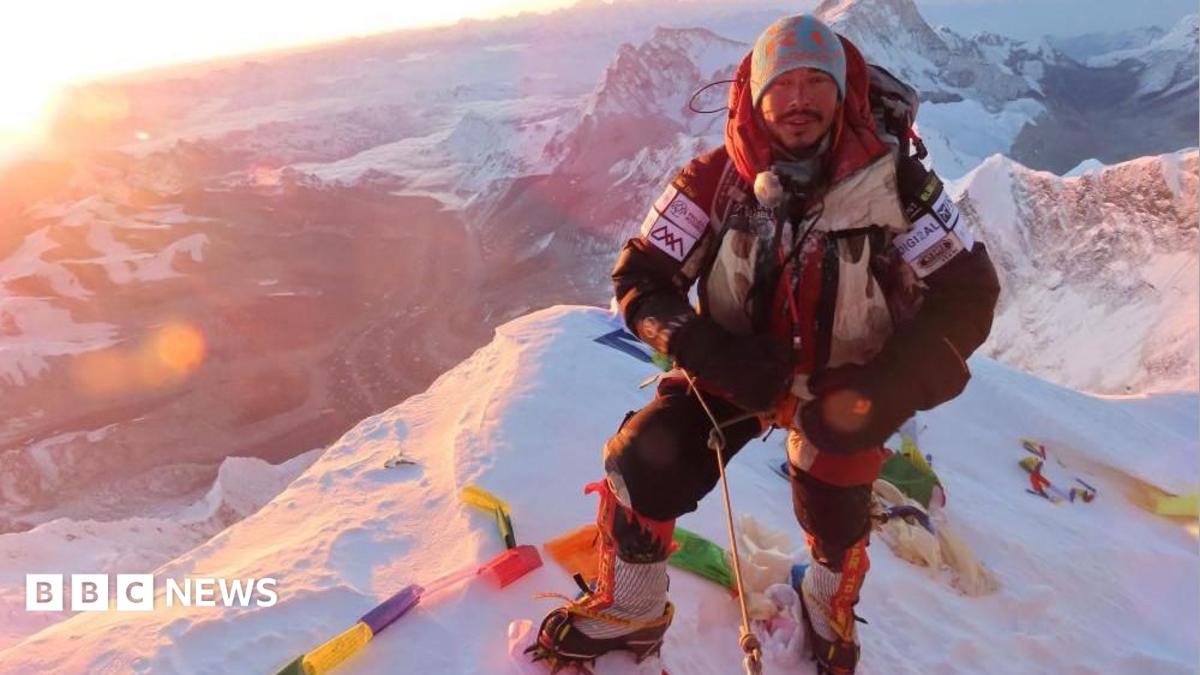
Some credit Purja for bringing Pakistan onto the radar of mountaineers through his feat of scaling the 14 peaks in just over six months, which was documented in a Netflix film.
“Nims’ success gave many [guides] and foreigners the courage to believe that this mountaineering crown was truly possible,” says Iswari Paudel, acting president of the Nepal Mountaineering Association.
“This has made Pakistan a major overseas base for Nepali Sherpas. And while helping foreign climbers fulfil their dreams, many guides have themselves completed the 14 peaks,” Iswari says.
Ayers, the Everest reporter, says Purja helped “publicise a new era of mountaineering” which in many ways helped “democratise mountain-climbing”, but also “fuelled commercialisation and risk”.
Because of how remote Pakistan’s mountains are, it is far more challenging to organise expeditions there – a feat that only the best guides undertake, Sherpas tell the BBC.
“We have to fix our own ropes, cut our steps into the ice, and set up camps as we go along,” says Nima Rinji Sherpa. The 20-year-old set a new record in 2024 as the youngest mountaineer to summit the world’s 14 highest peaks.
“Even in an era of commercial mountaineering, we experience real, old-fashioned mountaineering [in Pakistan],” he says.