




Vučić has spent two terms as president and cannot seek a third term, so he is now leading his party with the aim of returning to the post of prime minister, which he left in 2017.
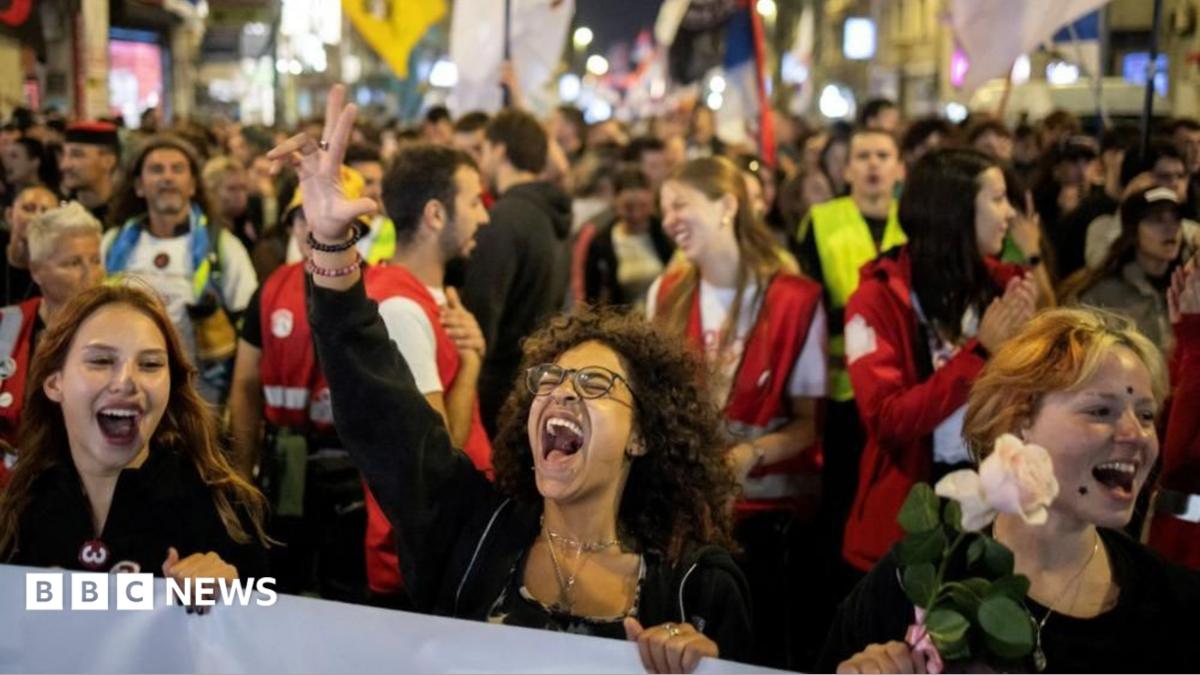
The right-wing populist leader has doubled down on unfounded allegations that his opponents are not so much students and professors, but “mighty great powers” seeking to overthrow Serbia. And he has vowed an end to what he sees as the politicisation of schools and universities.
Vučić has steered a careful path with the West, continuing to back Serbia’s candidacy for the European Union, while refusing to impose sanctions on Russia for its full-scale war in Ukraine. Several government ministers attended the Belgrade funeral of war criminal Ratko Mladić, prompting EU anger at his “glorification”.
Helena Ivanov of the Henry Jackson Society, a foreign policy think tank, says the students have been able to mobilise the masses in a way traditional opposition parties have not been able to – and this is Vučić’s biggest challenge since he came to power.
“He’s been running in all elections Serbia has had since the introduction of multi-party election system – so obviously defeating him isn’t going to be easy, but this time around President Vučić isn’t going to have an easy time either,” she told the BBC from Belgrade.