



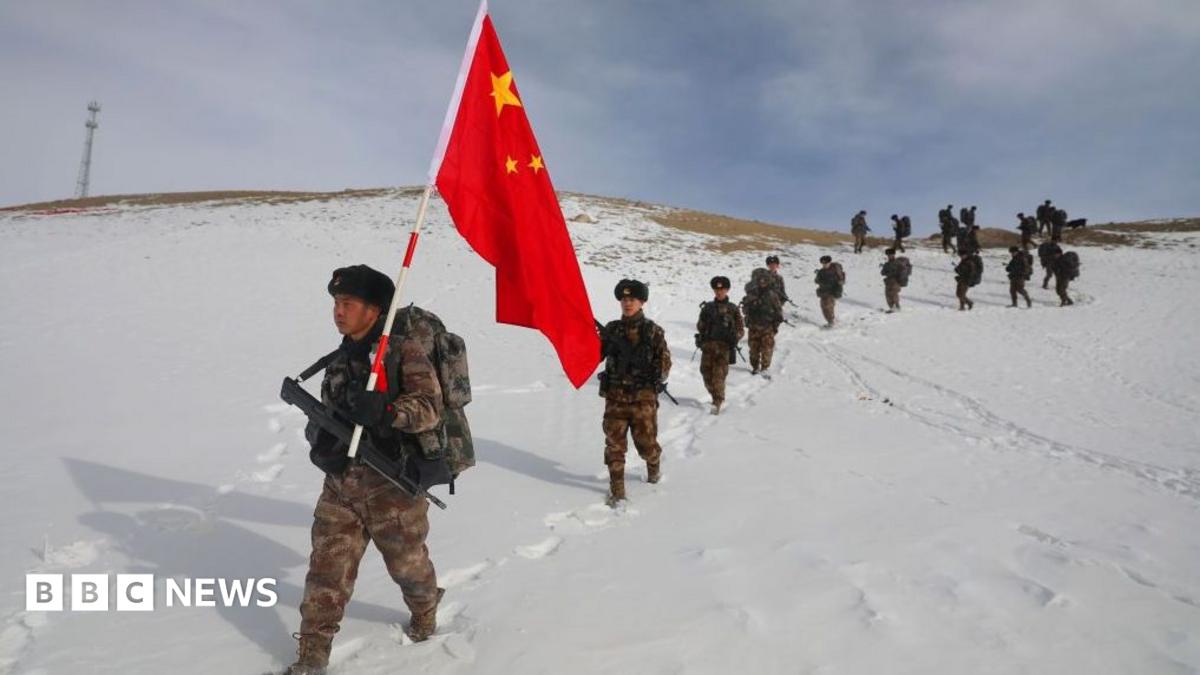
For Beijing, the arrangement also fits into a broader pattern of using its relationships with neighbouring states to manage and signal its position towards India.
Haqqani said reassurance to Pakistan on Kashmir was of both strategic and geopolitical value to Beijing.
“On the strategic front it further deepens ties with Pakistan and on the geo-strategic front it reinforces for India its fear of a two-front threat from China and Pakistan, which pleases Pakistan and benefits China.”
The timing of the statement, say experts, is also significant.
“China always plans its decisions months, if not years, in advance so the decision to operationalise a joint boundary commission must have been made some time back,” says Haqqani.
“The release of this information was timed for after President Xi Jinping’s recent Brics summit trip to send Pakistan a message of reassurance in the strategic partnership, and India a reminder that multilateral engagement does not translate into any change in China’s vision for South Asia.”
But Jacob cautioned against interpreting every aspect of the development as a direct military move against India.
“There aren’t any immediate or apparent implications for the LAC as of now,” he said.
That suggests that the significance of last week’s announcement may lie less in an immediate change to the disputed Himalayan frontier than in the gradual institutionalisation of arrangements that India has consistently rejected.
India’s position, Jaiswal said, remained “clear and consistent”: any attempt to legitimise what Delhi considers Pakistan’s illegal occupation of Indian territory is unacceptable and has no bearing on India’s sovereignty.
But Haqqani believes the dispute goes beyond the legalities of borders.
“The key disagreement between India and China about the border and boundary is geo-strategic, not cartographic,” he said. “So there is a limit to what border negotiations and border management mechanisms can achieve.”
Pakistan, he added, remained “China’s secondary deterrent against India” – and Beijing’s engagement with Islamabad would continue to send that message to Delhi.