




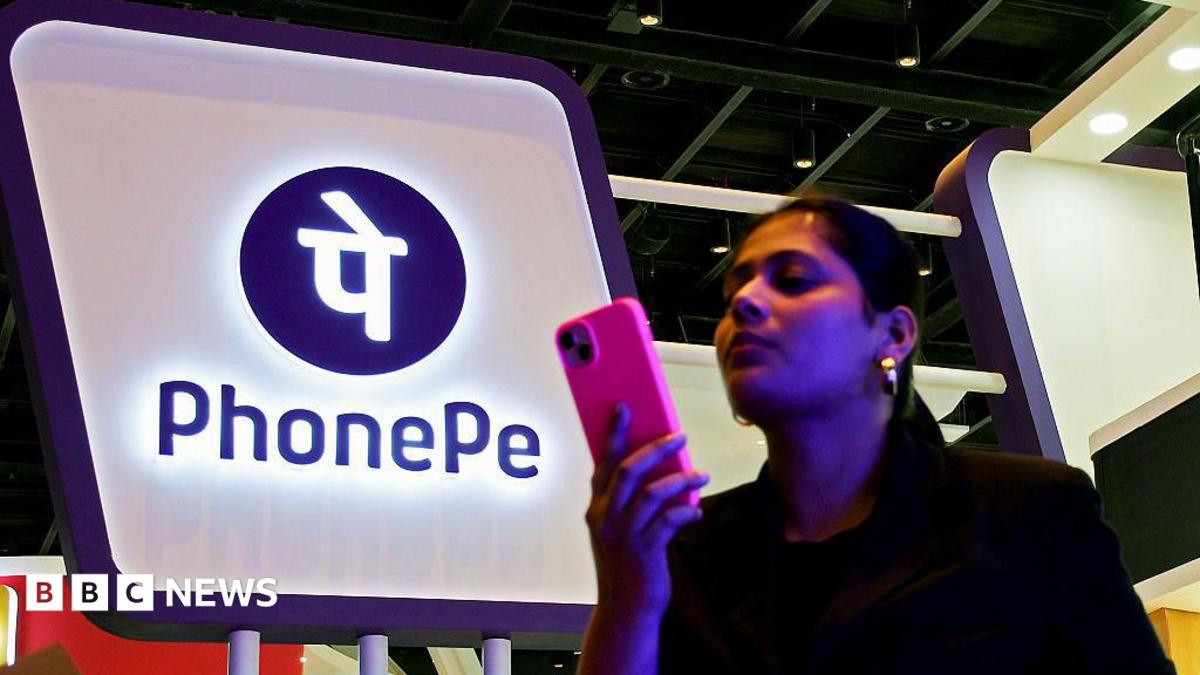
India therefore faces a delicate balancing act. It wants to make UPI financially sustainable without disturbing the conditions that helped make it ubiquitous.
It is not an impossible task. Brazil’s Pix, another hugely successful instant-payment system, is free for individuals but permits low-cost charges for businesses. Yet it is the world’s fastest-growing real-time payment system,, external used by more than 140 million people and 14 million companies, with more than four billion transactions a month averaging about $88 each.
“The key question is not simply whether UPI should remain free for every merchant transaction,” Motheram says, “but whether the pricing structure protects the marginal merchants who are still being brought into the digital payments ecosystem.”
That may be the real test of India’s next UPI experiment.
The first phase was about creating the network. The second was about getting hundreds of millions of people and millions of merchants onto it. The third is now beginning: figuring out how to pay for the system without making it less useful.
Economist Renuka Sane believes the right pricing structure could finally restore “commercial sanity”, external to India’s digital payment rails, allowing the market to price risk, fund critical infrastructure and build a more resilient payments ecosystem.
The bigger risk may not be that Indians suddenly abandon UPI because a large retailer is charged a fraction of a percentage point: experts say its network effects are now too powerful for that.
But there is a potential perception problem: a 2024 survey by polling agency LocalCircles found that 75% of UPI users said they would stop using it if transaction fees were introduced, while only 22% said they would be willing to pay.
The risk is subtler. If charging merchants makes some of them less enthusiastic about accepting UPI – or eventually discourages the smallest ones from joining – the network could begin to lose some of the frictionless quality that made it so successful.