




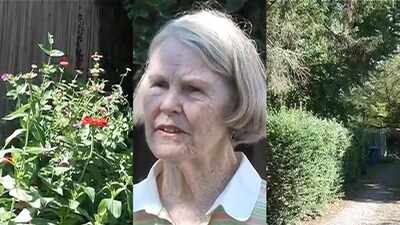
Most back alleys are places we walk through quickly, past the bins and weeds, without a second look. In Roanoke, Virginia, one woman saw something else. According to the WDBJ7, Jean Quade started planting flowers in a neglected alley behind her neighbours’ homes, and what began as a small project has become an official Monarch Waystation, a certified stop for butterflies heading south. Along the way, it also brought neighbours together who hadn’t even met before. Here’s how a forgotten urban corner turned into a little sanctuary.
An alley nobody noticed
Before Jean got to it, neighbours say the alley wasn’t much to look at. One of them, Sandra Kuchno, described it as “nothing but weeds and privets and trash cans”. It was the kind of space everybody saw and nobody thought about. Jean started going door to door, with seeds and a shovel in hand, and asking neighbours if she could dig up part of the back lot to create habitat for pollinators. It was a simple request, but it made all the difference.
A small patch that kept growing
Jean says she only meant to plant a small section. But as the plants went in and the butterflies started to arrive, the project simply grew, and it eventually became big enough to be recognised as an official Monarch Waystation. These waystations are certified through Monarch Watch, a research programme at the University of Kansas, and they’re set up to give migrating butterflies the food and shelter they need along their long journey south.
Why monarchs need places like this
Monarch butterflies are in trouble. Their numbers have been dropping because of habitat loss and the widespread use of herbicides. They also have very specific needs, since monarch caterpillars feed only on milkweed, and adult butterflies need nectar-rich flowers to fuel their migration. A waystation brings both together. The good news is that any piece of land can become one, including a back alley, as long as it gets plenty of sun and is planted with the right mix.
A neighbourhood comes together
One of the nicest parts of the story is what happened among the people. Neighbours who hadn’t met before pitched in, pulling weeds, trading plants and even bringing their kids along. Karen Layman says the space feels different now, and that even on damp days it feels like a little sanctuary. Others describe Jean as someone who never meets a stranger, and it seems her garden has been quietly turning strangers into friends.
What it teaches us
This story shows that you don’t need a big budget or a large plot of land to make a difference. All it took was one person who was willing to knock on doors and ask. If you want to try it on a smaller scale, a balcony, a terrace or even a few pots can help local butterflies if you choose native flowering plants and host plants. Start small, ask your neighbours to join in, and let it grow from there.An alley that was once a place for trash cans is now a place where butterflies stop on their long journey, and where neighbours stop to chat. It’s proof that ordinary spaces can do extraordinary things when someone decides to look at them differently.