






A Mexican former prosecutor facing arrest after allowing Central Intelligence Agency officers to operate in his state has fled to the United States and is now under the U.S. government’s protection, according to U.S. and Mexican officials.
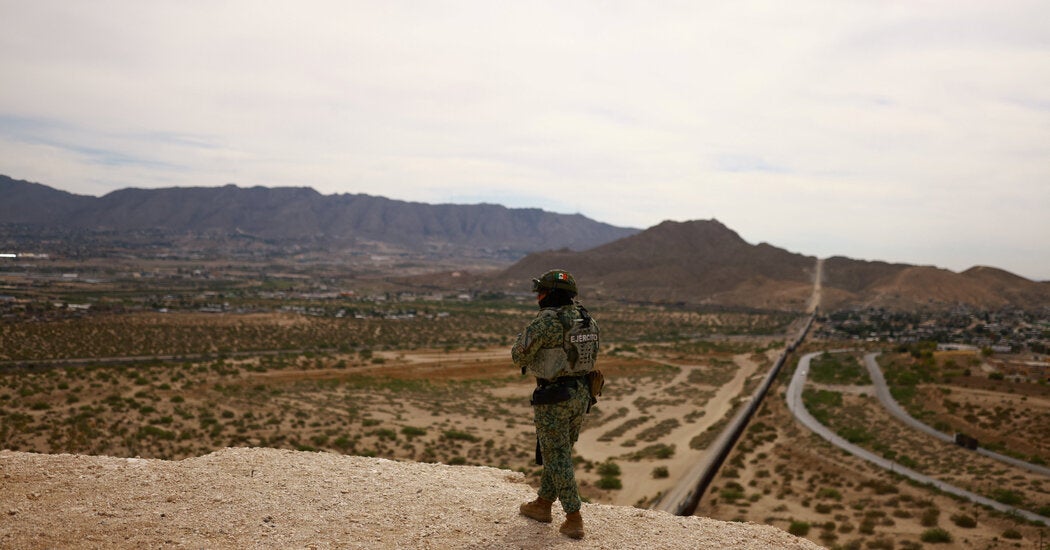
The former prosecutor, Guillermo Zuany Portillo, shepherded C.I.A. officers for more than six months beginning last year as they trained forces in his state, Chihuahua, joined those forces on counter-cartel missions and provided expertise during ground operations, a New York Times investigation revealed this week.
Mexico’s president, Claudia Sheinbaum, had repeatedly said she did not want U.S. forces taking part in operations on the ground in Mexico, calling it a breach of sovereignty. Under the Trump administration, meanwhile, the C.I.A. sought to expand its activity in the country, and saw Mr. Zuany as a partner to help it do so quietly.
The C.I.A.’s cover in Chihuahua was blown when a car crash in April resulted in the deaths of two C.I.A. officers, leading to a national scandal and Mr. Zuany’s resignation. While an investigation determined the crash an accident, the Mexican authorities recently issued a warrant for Mr. Zuany’s arrest on charges related to his involvement with the agency.
Ms. Sheinbaum expressed fury at the C.I.A.’s presence during raids in Chihuahua and denied knowledge of the agency’s activities. On Wednesday, she said in a regular morning news conference that investigations into matter must continue.
“It’s worth finding out who this person is and how he worked with one of the U.S. agencies,” she said of Mr. Zuany.
The Mexican authorities also recently arrested Mr. Zuany’s former boss, Chihuahua’s former attorney general, César Jáuregui, on charges of treason, accusing him of welcoming the American intelligence agency into the state.
The U.S. government canceled Mr. Zuany’s U.S. visa late last year, accusing him of ties to Mexican cartels in Chihuahua, according to a letter the Mexican government sent to the F.B.I. and people familiar with Mr. Zuany’s visa status.
They and the officials spoke on the condition of anonymity because they were not authorized to comment on Mr. Zuany’s case.
Mr. Zuany did not immediately respond to a request for comment.
After he facilitated the C.I.A.’s partnership with Mexican forces in Chihuahua, Mr. Zuany’s visa was reinstated late last year, Mexican and American officials said.
The F.B.I. had been investigating Mr. Zuany, who is accused of having ties to organized crime, according to the letter from the Mexican government. But the status of the case is unclear. The F.B.I. did not immediately respond to a request for comment on Thursday.
Mr. Zuany recently fled to the United States to avoid capture, Mexican and American officials said, after Chihuahua state police officers arrested Mr. Jáuregui, who is now in a Mexican maximum-security prison.
As of Thursday, Mr. Zuany’s whereabouts in the United States were unclear.
The Mexican federal government also issued an order for Mr. Zuany’s arrest, according to the security minister, Omar García Harfuch, who revealed the information at a daily news conference, in response to The Times’s investigation.
In a statement, the office of Maru Campos, the governor of Chihuahua, said that the accusations against Mr. Zuany and Mr. Jáuregui represent “a serious failure” and that “she has taken responsibility for correcting the controls that made it possible.”
For months, a C.I.A. officer observed Chihuahua state agents practice tactical drills, analyzed their equipment and joined workouts, Mexican officials said. C.I.A. officers also joined Mr. Zuany and police units on operations against drug trafficking targets in the state.
In some cases, the C.I.A. officers were armed while on missions in Mexico, according to Mexican officials who were present.
On the way to one mission in March, Mr. Zuany and an American believed to be a C.I.A. officer discussed how to position state agents, a Chihuahua official told state prosecutors, according to an arrest-warrant request for Mr. Zuany. On another occasion, a C.I.A. officer carried a rifle and provided security as state police entered safe houses in search of drug traffickers, according to Mexican officials who were present.
The Americans generally wore tactical gear and were sometimes armed during the operations. In several cases, they wore jackets with Chihuahua state insignia, according to the warrant request and officials who had witnessed them. They also frequently carried computers or tablets during operations for what appeared to be real-time information, according to the warrant request and the officials.
The C.I.A. officers did not engage in combat, but instead mostly appeared to provide intelligence and direction, often via Mr. Zuany, the warrant request and officials said.
Alan Feuer contributed reporting.