




At the graceful foreign ministry compound in Kabul, Taliban Foreign Minister Amir Khan Muttaqi tries to put on a brave face.
“There’s no doubt that we need some help,” he admits. “There is pressure due to their return but in the long run, it will benefit them as well as Afghanistan.”
In the first years after the Taliban swept to power in 2021, some of their ministers made light of humanitarian issues, saying God would provide.
The UN now estimates that 21.9 million people, nearly half the country, need assistance this year to survive. The UN’s children agency, UNICEF, said last week that one million children faced “life-threatening” malnutrition.
“No country in the world could handle this kind of crisis on its own,” UNHCR spokesperson Goodlake assesses, while acknowledging Taliban government efforts to help returnees as they arrive.
But, he adds, “We also know that many of the restrictions and edicts they put in place, particularly on women and girls, don’t help us elicit international support”.
Muttaqi reiterates his government’s line that matters like girl’s education are “internal issues” for Afghans to resolve.
The severe restrictions on the lives of girls and women is one of the major issues in the Taliban’s international relationships and that has cost them. Five years on, only one country, Russia, has formally recognised their rule.
But when asked about this, Muttaqi points to the deepening diplomatic and economic ties with neighbours such as China and India, as well as Central Asian states.
As for Kabul’s relative isolation from western nations, he asks, “those who didn’t have relationships with us over the past five years, what have they achieved?”
He answers his own question: “Nothing.”
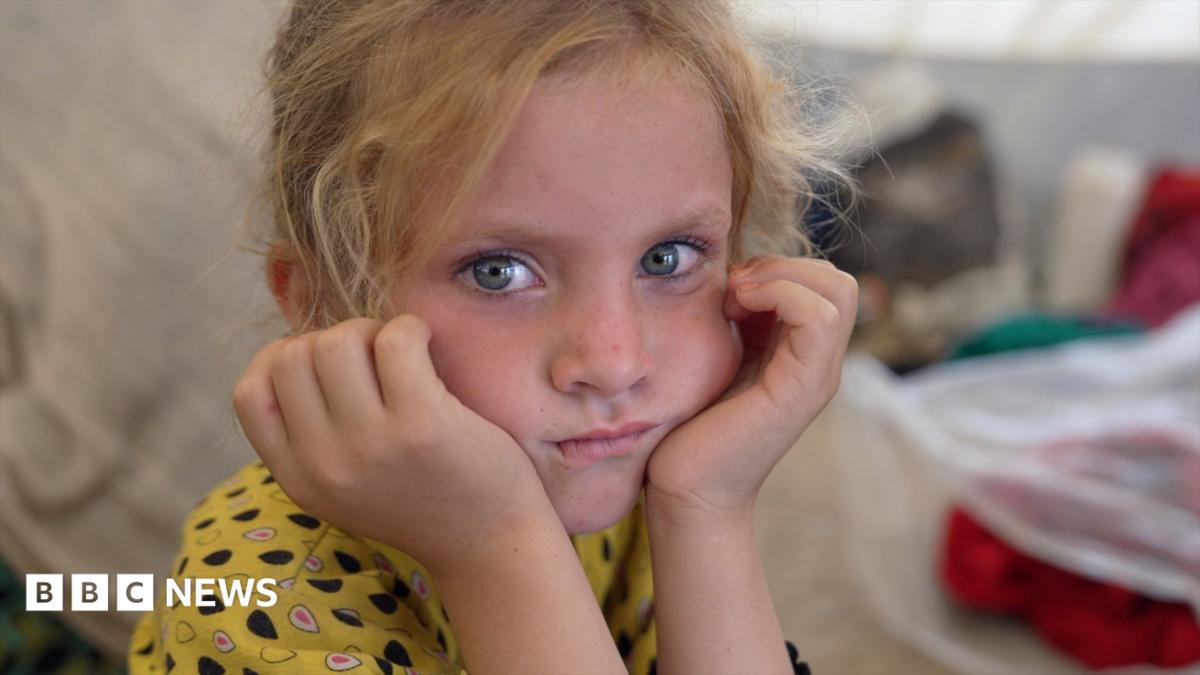
We heard that word – “nothing” – from every family we met at Zero Point, but in a much different sense.
All were embarking on the hardest of homecomings, beginning all over again – with almost nothing.