



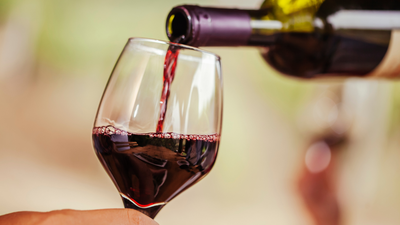
Like a Phoenix rising from the ashes of the crater that formed below it, the sherbet of the Earth’s berries poured right into your wine glass, thus forms the volcanic wines.Wine is synonymous with love and romance. It is a celebration of life itself. So, how could it be born from what destroys?Pliny the Elder, who witnessed the eruption of Mount Vesuvius in 79 A.D., wrote, “As to the wines of Pompeii, they arrive at their full perfection in 10 years.” The citizens of the unfortunate town, sky above them darkening with volcanic ash, poured a well-aged glass of Pompeii wine one last time.And now, nearly two millennia later, volcanic soils continue to nurture vineyards across the world. But what exactly makes a wine volcanic?
What is volcanic wine ? How do volcanic regions affect the taste of wine so much?
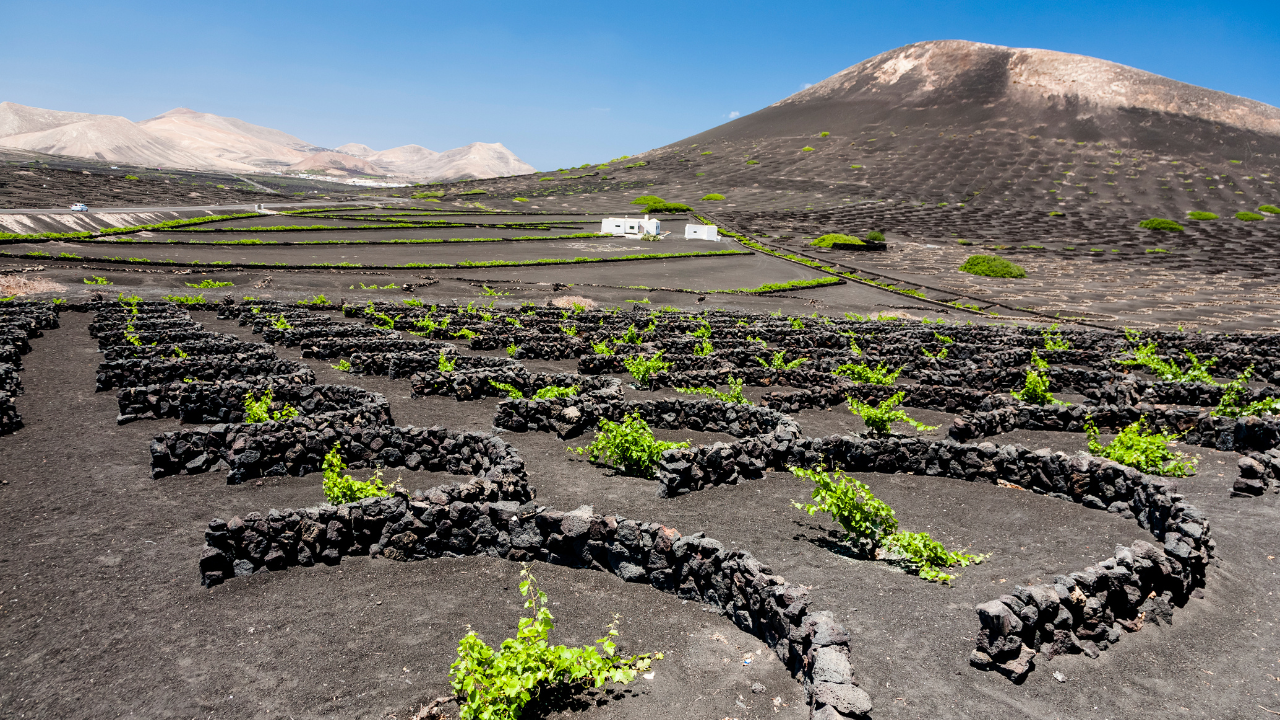
Terroir, the French term that describes a wine’s sense of place, is central to understanding volcanic wines. It encompasses everything from the soil beneath the vines to the climate, landscape and local winemaking traditions that shape the grapes. While clay and limestone can be found across the world, volcanic landscapes have their own geological signatures. Basalt, pumice, tuff and layers of ancient ash create soils that vary in texture, drainage, fertility and water retention, giving each vineyard its own conditions in which to grow.Dip your nose into a glass of wine grown in volcanic soil, and you might notice something beyond the familiar fruitiness of a red or white. There may be a smoky edge, a savoury depth, a faint salinity or a flinty quality that makes your mouth water. Some wines are intensely aromatic, others are lean and crisp, while some have a striking concentration of flavour. There is no single volcanic wine profile, and the mineral content of the soil does not directly translate into mineral flavours in the glass. Rather, the geology, climate, grape variety and winemaking come together to produce a character that is as distinctive as the landscape itself.The vines, in other words, are growing in a place that has been shaped by fire, cooled into rock and weathered over centuries. What ends up in your glass is not the volcano itself, but its lingering influence.
Mount Etna’s Sicilian wine
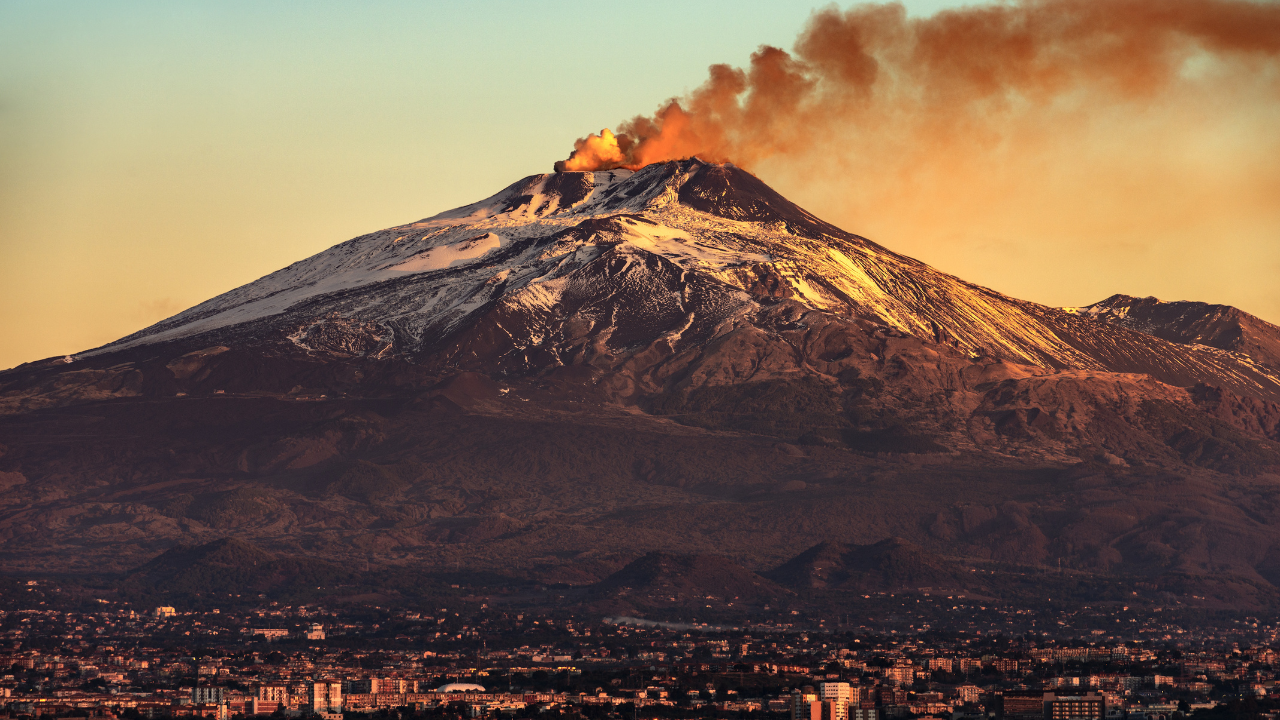
Rising above the Sicilian city of Catania, Mount Etna holds two formidable titles: it is Europe’s tallest active volcano and one of its most active. Every few months, the mountain reminds the world of its restless nature, sending ash into the sky. Yet beneath this fiery spectacle lies a landscape where old vineyards thrive in soils formed by centuries of eruptions, producing some of Sicily’s most distinctive wines.Many of Etna’s vineyards sit at elevations of around 3,900 feet, with vines growing along the slopes of the active volcano itself. Here, the terroir is anything but uniform. Successive eruptions have laid down lava, ash and volcanic rock of varying compositions, meaning neighbouring vineyards can produce remarkably different wines. The mountain’s slopes also have their own microclimates, with some basking in the sun while others receive more rain and remain shadier and cooler. It is this interplay of geology, altitude and climate that gives Etna wines their individual character.Etna reds are known for their bright acidity, firm tannins, earthy undertones and flavours of red berries. The whites, meanwhile, can be strikingly fresh, with saline notes and herbaceous aromas. Some tasters even detect a flinty, smoky or petrol-like character. On Etna, the wine in your glass is a little like the mountain itself: complex, expressive and difficult to pin down.
Santorini’s Greek Wine
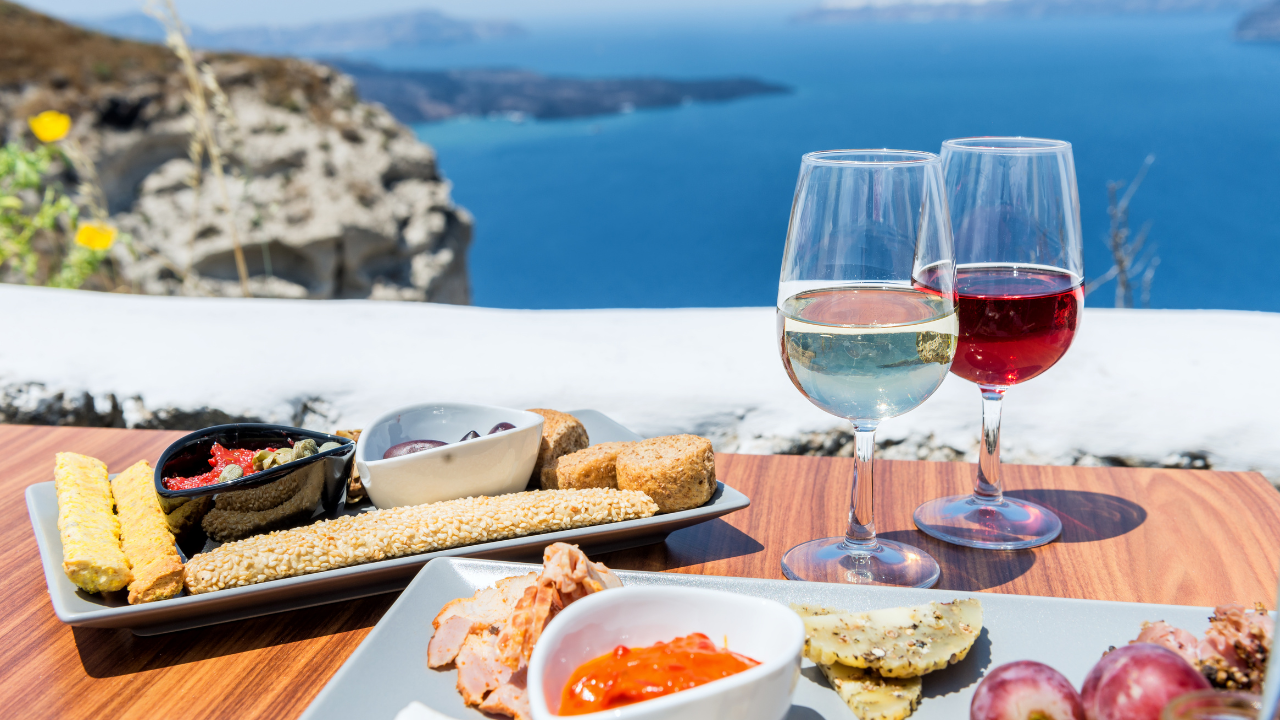
Santorini is famed for its extraordinary sunsets, whitewashed villages and blue-domed churches. But beneath the postcard-perfect scenery lies a landscape forged by volcanic destruction, where winemaking has flourished for thousands of years against all agricultural odds.The island is a half-submerged volcanic landscape with little rainfall, no permanent rivers and unforgiving summer winds. Much of its soil consists of pumice, ash and volcanic sand, yet vines have grown here for more than three millennia. Santorini’s winemakers have learnt to work with the elements rather than against them. Instead of growing upright on trellises, the vines are carefully woven into low, basket-shaped formations known as kouloura. These protect the grapes from fierce winds and the punishing Cycladic sun, while allowing the vines to capture moisture from the sea air.The island’s signature grape is Assyrtiko, which produces bone-dry white wines prized for their bracing acidity, citrus notes and saline character. There is also Nykteri, traditionally made from grapes harvested at night, and Vinsanto, an amber-hued sweet wine made from sun-dried grapes.Santorini is home to some of the oldest living vines in the world, many of which survived the phylloxera epidemic that devastated European vineyards in the 19th century. The island’s sandy, volcanic soils proved inhospitable to the pest, allowing many vines to remain on their original roots. Here, the vines are living witnesses to a winemaking tradition that has endured for thousands of years, despite all odds.
The Canaries’ Spanish Wine
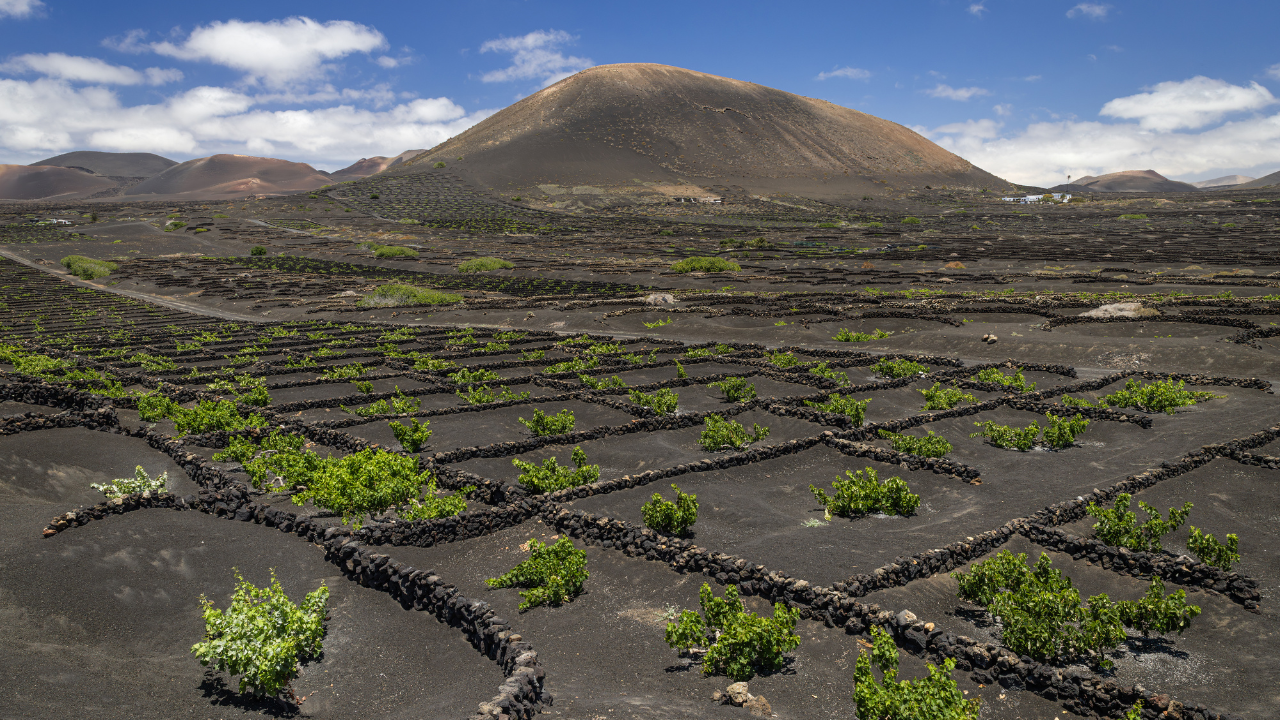
Off the north-west coast of Africa, close to Morocco and Western Sahara, lies Spain’s Canary Islands archipelago. Today, its volcanic wines are attracting growing international attention, sometimes giving the impression that they are a recent discovery. Nothing could be further from the truth. The islands have a winemaking history stretching back to the 15th century, when European settlers brought grape varieties from their homelands.The Canaries soon became an important name in the international wine trade. British merchant ships carried their sweet, fortified wines, particularly Malvasía, across Europe and beyond. Known in Britain as Sack or Malmsey, these wines found favour among royalty, aristocrats and writers, including Shakespeare. For a time, the islands’ wines were a fixture of European drinking culture.But tastes changed. As demand shifted towards French and Portuguese wines during the 18th and 19th centuries, the Canary Islands’ once-thriving wine industry declined, leaving many small producers making wine primarily for local consumption. In recent decades, however, a new generation of winemakers has been rediscovering the archipelago’s distinctive terroirs.The islands offer a fascinating combination of volcanic soils, subtropical sunshine and cooling Atlantic trade winds, known locally as alisios. The result is a collection of wines that resist easy categorisation, shaped by the different climates, elevations and volcanic histories of the individual islands. On Lanzarote, vineyards grow in dark volcanic ash, while elsewhere, old vines and indigenous grape varieties tell stories of adaptation and survival. El Grifo, founded in 1775 on Lanzarote, remains one of the archipelago’s historic wineries.
Auvergne’s French Wines
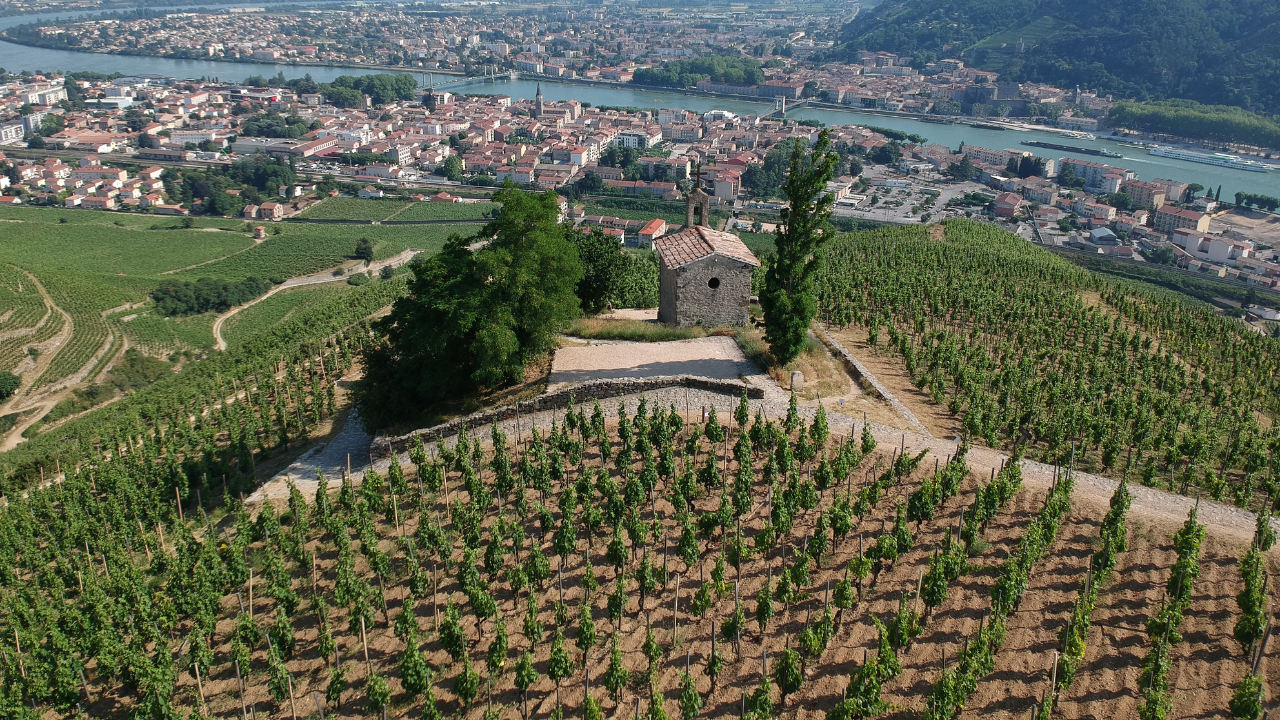
Central France’s Auvergne region is a land of sleeping volcanoes, rolling green hills and a wine culture that has quietly returned from the brink. Along the Chaîne des Puys, a narrow stretch of volcanic peaks and domes, the landscape bears the marks of ancient geological upheaval. It is a curious place to find vineyards, yet wine was once an important part of its agricultural life.Around 150 years ago, Auvergne was among France’s major wine-producing regions by volume. Then came the decline. The phylloxera epidemic, which devastated vineyards across much of Europe, eventually reached the region, and winemaking gradually faded from prominence. For years, its wines remained largely outside the spotlight, overshadowed by France’s better-known wine regions.In the 21st century, a new generation of winemakers began returning to their roots, bringing fresh ideas and a renewed interest in the region’s volcanic terroir. Their focus shifted from producing wine in quantity to making wines that expressed the character of the land. The recognition of the Côte d’Auvergne appellation in 2010 marked an important milestone in this revival.Auvergne’s volcanic soils, including basalt-rich formations, contribute to the distinctive growing conditions of its vineyards. Some wines display a smoky, earthy character, alongside the lively acidity associated with the region’s cooler growing conditions. Gamay is widely planted here, producing reds that can be light, fresh and easy to drink, though with a personality all their own.The region is divided into five principal vineyard areas: Madargue, Châteaugay, Chanturgue, Corent and Boudes. Each offers its own expression of this volcanic landscape. Auvergne may no longer command the volumes it once did, but its winemakers are making a case for something more interesting: wines that tell the story of a place long overlooked, now finding its voice again.