




Cornell University faculty introduced a resolution declaring a no-confidence vote in the university administration’s handling of the alleged 2024 sexual assault at a fraternity house.
The resolution was submitted to the University Faculty Committee Monday evening, according to a copy obtained by NBC News.
“That the Faculty Senate has no confidence in the ability of the central administration to effectively address the ongoing crisis of sexual assault at Cornell University,” the resolution, which is less than half a page, says.
The measure is expected to be considered by the Faculty Senate, which meets Oct. 14, according to a statement from Faculty Senator Paul Ortiz.
“The goal is to really force systemic change,” Ortiz, a professor of labor history, said in a statement.
Ortiz added that “students have been telling us stories they don’t feel safe, and this has been going on for a number of years” and called the situation a “systemic problem.” He reiterated that the Senate was not “targeting any individual,” but that the students and faculty “have been unsatisfied with the response.”
“Women need to feel safe,” he said.
In a statement accompanying the resolution, the faculty sponsors said “numerous Cornell colleagues” had approached them demanding action, while students had told faculty they were “upset, fearful for their personal safety,” and wanted the Ivy League to address sexual assault on campus.
Cornell alumni had also contacted faculty members and shared “their own traumatic stories as students,” the statement added.
Cornell did not immediately return a request for comment.
The proposed no-confidence resolution marks an escalation in pressure on Cornell and its administration following national scrutiny over how the case was handled. Last month, a former student identified as Jane Doe sued the university and seven current and former students in connection with the alleged sexual assault.
She alleges that in October 2024, she was sexually assaulted by multiple fraternity members while she was impaired by alcohol, ketamine and marijuana.
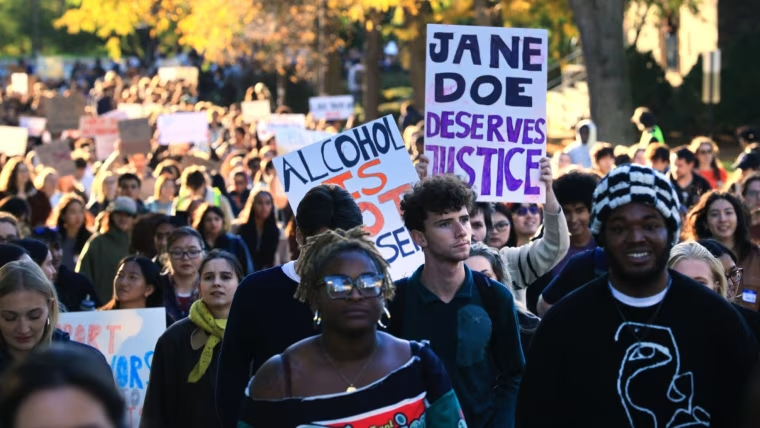
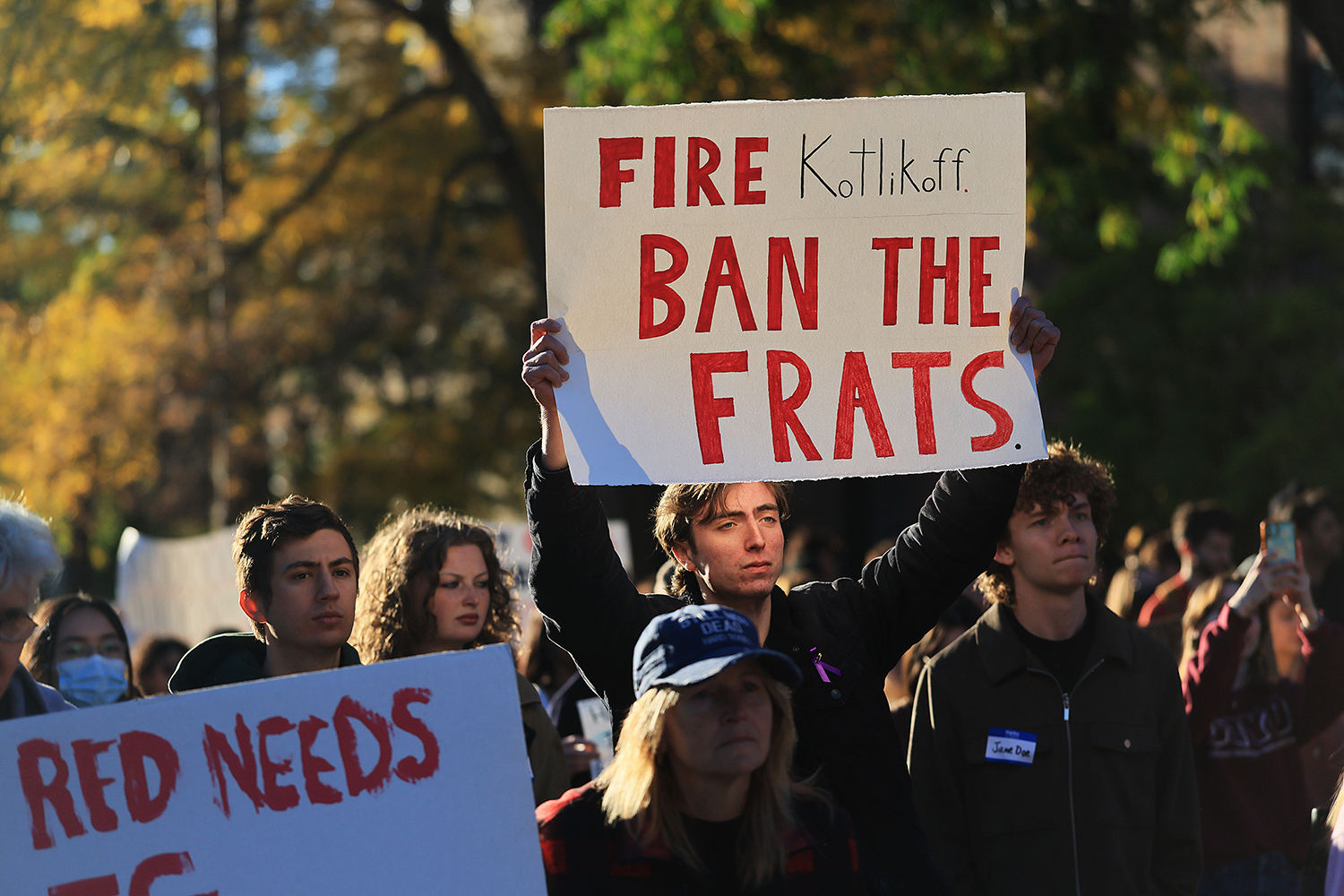
The woman’s allegations have made national headlines for days and prompted protests on the university’s campus after widespread criticism that the university and local officials did not do enough to investigate the woman’s allegations.