








Who will form New Zealand’s next government remains uncertain after the country’s national election on Saturday, with final results not due for another couple of weeks.
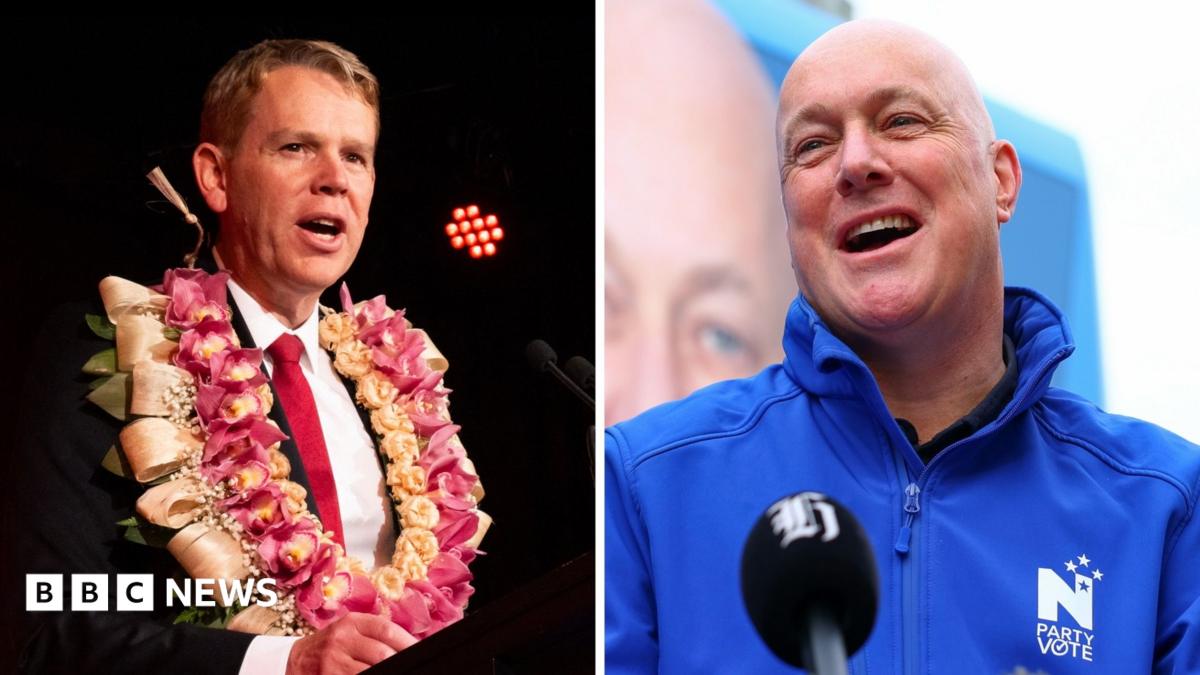
It’s the tightest vote that the country has seen in years, with the incumbent National Party and opposition Labour Party neck-and-neck in terms of party vote share.
In terms of seats, a National-led conservative coalition, which includes the Act Party and NZ First, are projected to win a combined 67 seats – giving them a narrow one-seat majority.
As questions about other coalitions swirl, party leaders are remaining tight-lipped, saying they would wait for the final results before formal discussions.
Major parties on both sides of the political aisle were “likely dissatisfied with their campaigns”, Max Rashbrooke, adjunct senior research fellow at the Victoria University of Wellington, told the BBC.
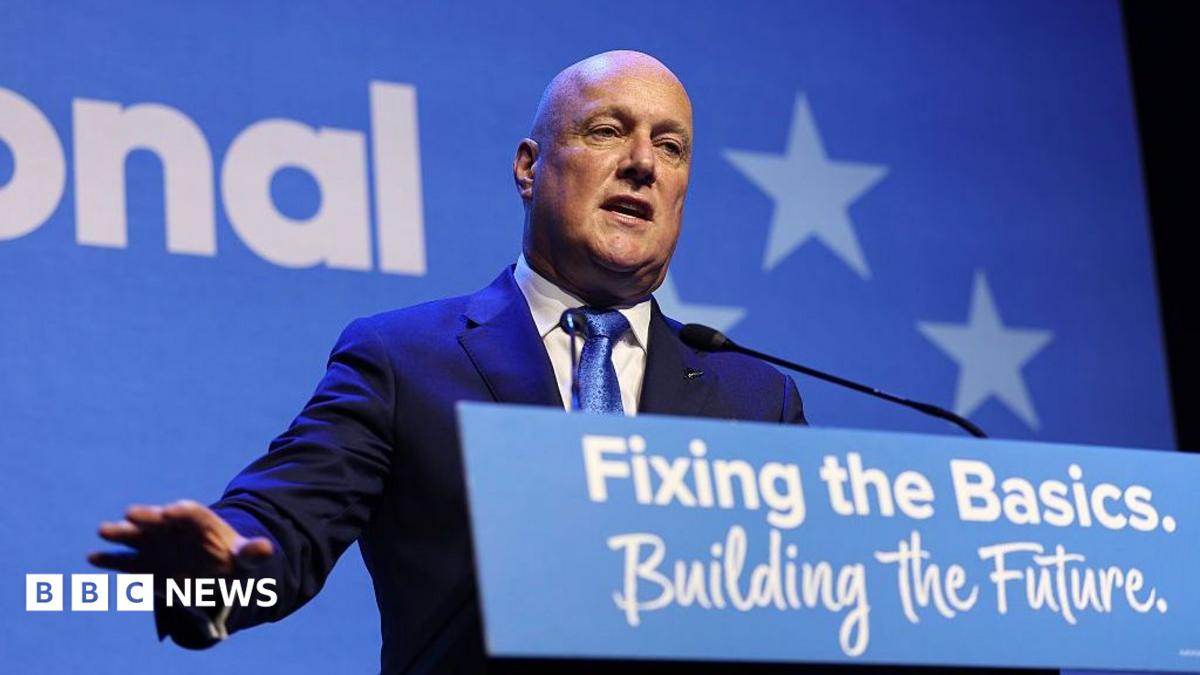
The opposition Labour Party, led by Chris Hipkins, ran an election campaign that “seems to have inspired few voters”, despite going up against Christopher Luxon, a “historically unpopular prime minister”, Rashbrooke said.
On the other hand, he added, the incumbent National Party also “failed to spark enthusiasm” even though it “should have been safe” given the country hasn’t seen a one-term government in more than 50 years.
The election dealt a huge blow to National with the loss of some of its most senior lawmakers, including Finance Minister Nicola Willis, Justice Minister Paul Goldsmith, Transport Minister Chris Bishop and House Speaker Gerry Brownlee.
Act Party leader David Seymour has expressed interest in the finance minister portfolio, telling news outlet Stuff that National must recognise the voters’ message and let its coalition partners play a bigger role.
“The government barely survived, it must now put its best foot forward in every step,” he said.
The big winners of election night were “the more radical minor parties”, Rashbrooke said.
The left-leaning Greens and the right-wing libertarian Act Party both saw new highs this election, while the Opportunity Party, a fledgling centrist party, scored a breakout victory. Having previously failed three times at getting into Parliament, it’s now projected to get seven seats.
Opportunity’s incoming lawmakers, including leader Qiulae Wong, arrived at New Zealand’s parliament on Monday morning, for the start of what Wong said would be a week of “induction stuff”.