




This would be a seismic shift for Israeli politics. Only one independent Arab party has ever formally been part of a coalition, in 2021, and it didn’t last long.
Eisenkot and every other Jewish party in his bloc bar one have already ruled out entering government with them. But right now, it’s the opposition’s only path to a majority.
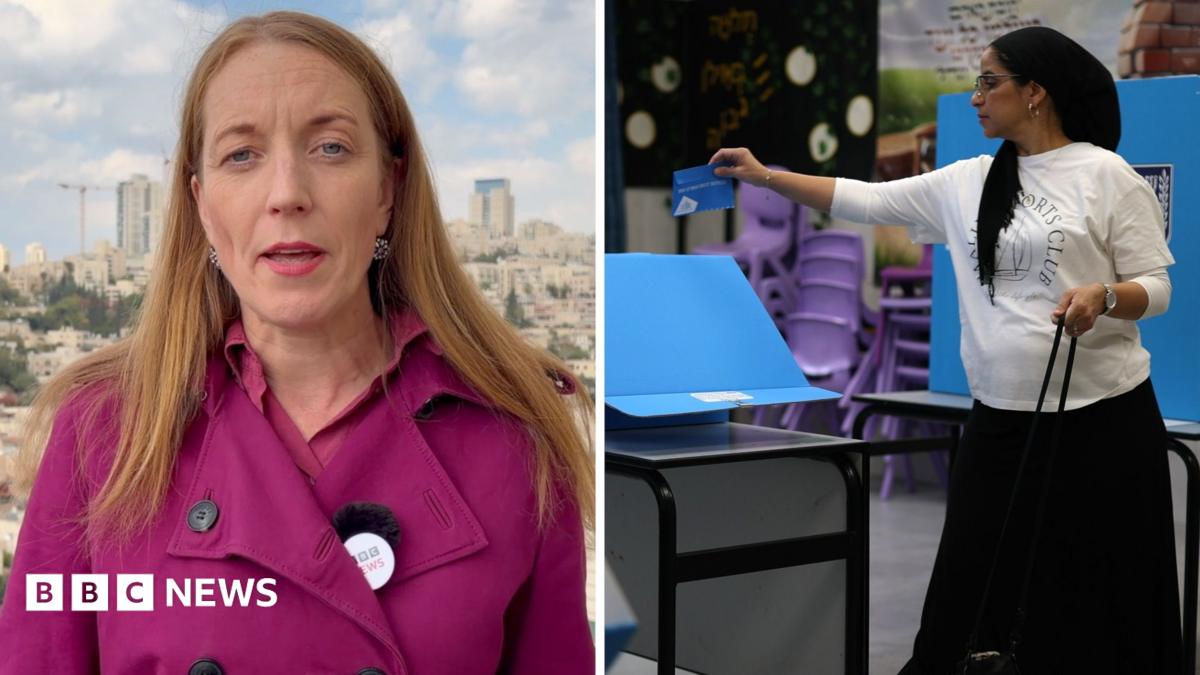
The Arab parties were the story of election night. They look to have defied expectations and could gain a record 19 seats – helped by an unprecedented turnout from Israel’s Arab population, who account for about one-fifth of the country and often describe themselves as Palestinian citizens of Israel.
For years, many boycotted Israeli elections, saying voting would legitimise a system that they say treats them as second-class citizens. But their turnout last night, inspired by a desire to oust the most right-wing governing coalition in Israel’s history, has shaken things up.
The United Arab list, who are currently projected to win around 7 seats, have said they’d join an opposition government, while The Joint List, who are projected to win 12 seats, have said they’d support one from outside.
However, the only Jewish leader advocating this scenario right now is The Democrats’ Yair Golan. And a coalition like this would be very fragile, especially on issues like Gaza and the occupied West Bank.
The fact there is such a unified front from the Jewish parties against Arab participation points to Israel’s deep divisions.