


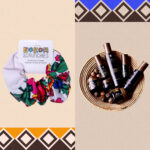


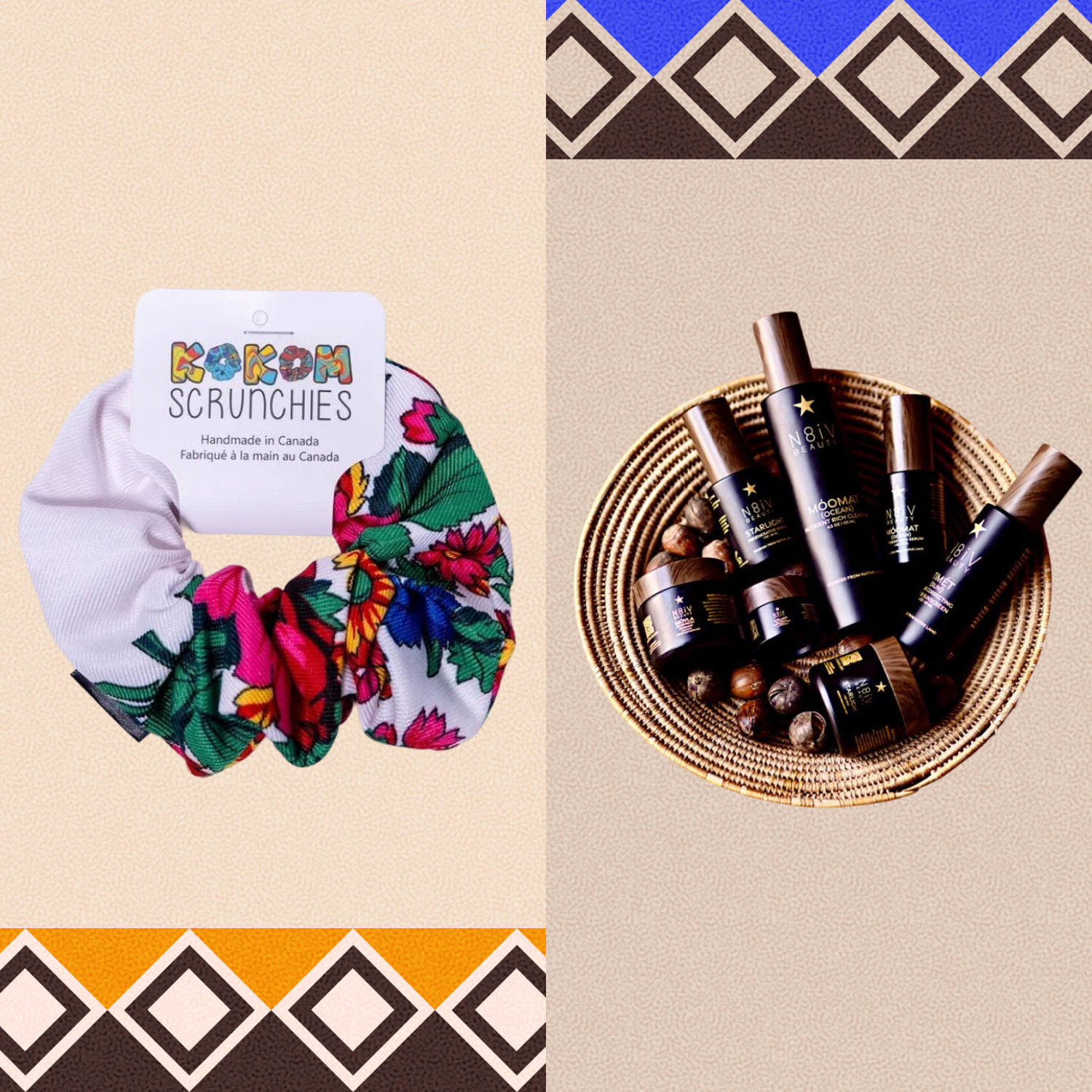
Mya Beaudry is 15 years old and already six years into owning her business, Kokom Scrunchies. Beaudry is Algonquin from Kitigan Zibi Anishinabeg First Nation, an identity she says is a big part of who she is and “at the heart of Kokom Scrunchies.”
Beaudry’s mother, Marcie, taught her to sew at nine years old as a creative way to raise money and host Indigenous youth events in her community. She began making scrunchies from fabric inspired by the floral scarves commonly worn by kokoms, which means “grandmother” in Algonquin, says Beaudry.
Indigenous peoples speak more than 4,000 of the world’s approximately 6,700 languages, but the United Nations estimates that one Indigenous language dies every two weeks. Many of the Indigenous business owners I spoke to say languages are central to Indigenous peoples’ identities, cultures and worldviews, and several on this list incorporate their cultures, traditions and communities into their work.
Like Beaudry, many Indigenous business owners on this list draw inspiration from their Indigenous identities and traditions. In the United States, November is Native American Heritage Month, but you can support Indigenous-owned businesses year-round. According to the U.S. Small Business Administration’s Office of Advocacy, there were more than 400,000 Indigenous-owned businesses in the U.S. alone in 2021.
I talked with more than 60 business owners about their Indigenous identity, biggest challenges and the inspiration behind their brands, and compiled a list of Indigenous-owned brands spanning the United States, Canada, Australia and Latin America that we think you should know about. For its business statistics, the Census Bureau defines ownership as having at least 51% of the stock or equity in a business, and its racial ownership categories include American Indian or Alaska Native businesses. For this story, I used that majority-ownership definition and confirmed with each brand that it’s at least 51% Indigenous-owned.
Want more from NBC Selected? Sign up for our newsletter, The Selection, and shop smarter.
Indigenous-owned beauty and wellness brands
Cheekbone Beauty
A vivid dream of young Indigenous girls dolled up with colorful lip glosses is what led Anishinaabe founder Jenn Harper to launch Cheekbone Beauty, which offers lipstick, eyeshadow, blush and other makeup products. Harper’s goal was to create a beauty brand where Indigenous shoppers could see themselves represented.
Cheekbone is also a part of the PACT Mail Back Program, where customers can ship empty products like lipstick and highlighter back to Cheekbone to be properly recycled.
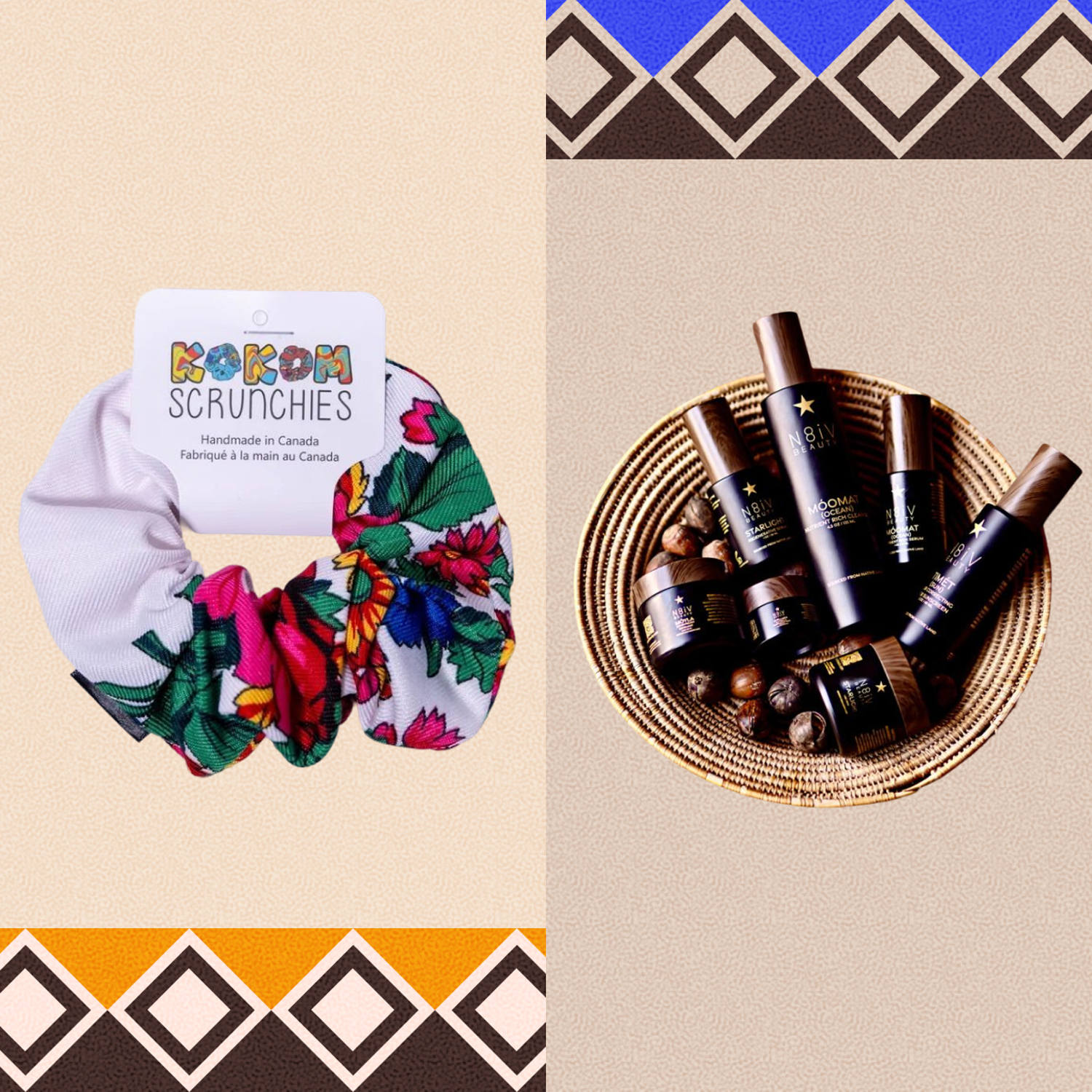
N8iV Beauty
Ruth-Ann Thorn, who is Payómkawichum and Luiseño, was shopping at Sephora with her daughter when she realized the lack of Indigenous representation in beauty. “We were standing in a store filled with beauty brands, on our own ancestral continent, and I couldn’t point to a brand that represented our people,” she says. “I wanted my daughter to see that we belong in those spaces and that [our] knowledge [of plants and nature] has value.” This inspired Thorn to create N8iV, offering serums, cleansers and more.
Sisters Sage
In 2018, founder Lynn-Marie Angus was working in high-rise construction, facing a great deal of racism and sexism from colleagues, according to Angus. Her sister was pregnant and at risk of becoming homeless, so they came together to create Sisters Sage, a wellness brand making soaps, smokeless smudge sprays and other bath, body and wellness products to embrace the sisters’ Indigenous Gitxaała, Nisga’a and Métis cultures and traditions..
Sister Sky
Sister Sky was founded 27 years ago by sisters Monica Simeon and Marina TurningRobe, members of the Spokane Tribe of Indians. They have mixed texture hair and struggled to find products that worked, inspiring them to create hair care designed for a variety of textures. “There was a whole community of women whose hair care needs weren’t being met,” says Simeon. They’ve spent over two decades growing their company and say the biggest challenge is finding what makes the products special to others.
“Over the years, we’ve learned that you don’t have to appeal to everyone. What matters is being genuine about what you offer and building a community of customers and partners who truly value it,” Simeon and TurningRobe told me in a joint email. Through these challenges, the sisters say their heritage has kept them grounded. “One of the greatest lessons our culture has taught us is the importance of community. We’re all part of something bigger than ourselves.”
Sister Sky offers a variety of hair products, including shampoo, conditioner, hair mist, detangler and hair brushes.
Skwálwen Botanicals
Dr. Leigh Joseph is an ethnobotanist and researcher from the Squamish Nation who turned to Indigenous plant science to formulate skin care products, including cleansers, face creams and bath salts. Products incorporate plants like wild rose, devil’s club, stinging nettle and sage.
More beauty and wellness brands to shop
Indigenous-owned clothing and accessories brands
Awasis Boutique
Christine Marie founded Awasis, a Cree word meaning “child,” while she was a stay-at-home mother to her two children. Marie began sewing bibs and aprons while caring for her children, a passion project that grew into a line of onesies, t-shirts and blankets for newborns, toddlers and children four years and older. Awasis also carries select t-shirts in adult sizes.
Ginew
Ginew originated from co-founders Erik Brodt and Amanda Bruegl’s wedding ceremony. “My father shot a buffalo for the wedding and we prepared the hide from the buffalo in the garage,” says Brodt. Then, the couple made the hide into belts as a meaningful gift to those who helped with the ceremony.
During a trip to West Texas, Brodt began thinking about the clothing people needed as their work shifted from hunting to agriculture. “The Heritage Coat, our first apparel item, [was born] on a napkin in the common space at El Cosmico,” says Brodt.
Ginew sells denim jackets inspired by the founders’ Oneida, Stockbridge-Munsee Mohican and Ojibwe ancestry, along with shirts, patches and bandanas.
Kené Kaya
Kené Kaya is a fashion house owned by Alessandra Durand, who is of Quechua heritage. The brand is based in Peru, and while Quechua-owned, also works closely with women artists from the Shipibo-Conibo tribe of the Peruvian Amazon. Collaborating across Indigenous groups is exactly “what makes [them] unique,” says Durand.
Kené Kaya’s products, which include shirts, dresses and accessories, are hand-embroidered and painted by Shipibo-Conibo women and made of fabrics like Peruvian cotton.
Kokom Scrunchies
Each scrunchie designed by Mya Beaudry is named after an Indigenous figure or family member (for example, Kokom Lola is named after Beaudry’s grandmother). “It’s a way to celebrate the people who have helped shape who I am and remind other young girls that they can be role models and leaders too,” she says.
Beaudry says her scrunchies are now sold in more than 150 stores across Canada. “Being Indigenous means being proud of where I come from,” she says.
4Kinship
4Kinship founder Amy Denet Deal was adopted at birth. After reconnecting with her Diné heritage, she began using her business to help create economic opportunities in her community, like the Diné Skate Garden Project, a center for Indigenous youth. 4Kinship sells vintage clothing and original pieces using upcycled materials, homeware, jewelry, art and books.
More clothing and accessories brands to shop
Indigenous-owned jewelry brands
Beyond Buckskin
Beyond Buckskin was founded in 2009 by Jessica Metcalfe of the Turtle Mountain Chippewa tribe and offers apparel, accessories, blankets and more. Based in North Dakota, the brand partners with more than 40 Indigenous artists to bring their work to a broader audience.
Haus of Dizzy
Founder Kristy Dickenson uses unique materials and designs, like mirrored acrylic, glitter, bold patterns and the Aboriginal flag, in her jewelry and accessories. “I’ve always loved fashion, color, music and making a statement,” she says. “Growing up as a proud Wiradjuri woman, I also understood the importance of identity, representation and being unapologetically yourself.”
Her range of products includes t-shirts, earrings and hair accessories featuring activist and political messages. “Activism doesn’t always have to be serious or confronting,” she says. “It can be joyful, colourful, funny and full of love. That’s what I try to bring to my designs.”
Running Fox Beads
When owner Skye Paul visited Beauval, Saskatchewan, at 15 years old, she hesitated to help butcher a moose. Instead, her aunt taught her how to bead, giving her another way to connect with her culture. Now, she beads tattoo-flash-inspired designs including Dene floral motifs onto moose hide, and fashions them into earrings.
Sapling and Flint
Sisters Dakota and Jesse Brant founded Sapling and Flint in 2017 as a way to immerse their growing families in the Mohawk Turtle Clan culture in Ontario. “I am proud to have a business here in my community where I can raise my son in our culture while being able to share with others about who we are as Mohawk people,” says Dakota.
With Jesse’s background in jewelry making and Dakota’s business experience, they work together to create earrings, rings and pendants inspired by their culture, family and connections to Turtle Island.
More jewelry brands to shop
Indigenous-owned home and kitchen brands
Eighth Generation
Based in Seattle, Washington, Eighth Generation is owned by the Snoqualmie Tribe and strives to be an ethical alternative to inauthentic “Native-inspired” designs, according to the brand. Its tagline, “Inspired Natives, not Native-inspired,” reflects that mission. The brand offers blankets, candles, gifts and more.
Mahota Textiles
Textile designer Margaret Roach Wheeler started Mahota Textiles in 1984, named after her great-great-great grandmother, who came to Indian Territory (present-day south-central Oklahoma) during the 1844 Chickasaw removal. Wheeler makes blankets, pillows and table runners inspired by Chickasaw and Southeastern textile traditions to honor the five generations of Chickasaw women in her family.
Onquata
Mother-daughter duo Lise and Lara Siouï founded the French-Canadian brand Onquata (Lara’s Wendat name) in 2018 with a range of painted paddles designed for home display or use on the water. The brand has since expanded to include home goods, accessories and wellness products.
Rashelle
Nêhiyaw designer Rashelle Campbell was always interested in interior design, but it wasn’t until the Covid-19 pandemic that she leaned into it, making maximalist tufted rugs. Campbell says running the business requires her to wear several hats, and that she once felt pressure to say yes to every opportunity, even when it meant overworking herself. “I felt like I had to say yes to every opportunity because, as an Indigenous woman, we don’t receive as many opportunities as others,” she says.
Campbell’s work is heavily inspired by early-2000s pop culture and colorful nostalgia. “So much of our story is told through sorrow and resilience,” she says. “And while those stories are important, I think we need to talk more about our joy, too.”
Totem Design House
Totem Design House is a family-run business on the K’omoks First Nation territory of Vancouver Island, British Columbia. “Unlike most Indigenous brands that specialize in one or two product categories, we’ve built an incredibly diverse collection,” says founder Erin Brillon, who is a member of the Laana Tsadas Eagle Clan of Skidegate Haida. “Approximately 80% of everything we sell is produced in-house at our Vancouver Island studios.” These products include jewelry, blankets, art, apparel, candles and skincare.
Brillon also hosts the podcast “Together We Rise,” which features Indigenous women sharing their stories.
More home and kitchen brands to shop
Indigenous-owned bookstores and art
Beam Paints
Anong Beam grew up in a world of color, raised by artist parents who taught her how to harvest pigment on Manitoulin Island. “I was really lucky to be raised close to them, they travelled a lot and I was homeschooled for most of elementary school,” says Beam. “That early education became the cornerstone of my business.”
After her father passed away in 2005, Beam began experimenting with making paint, and officially launched Beam Paints on her father’s birthday 12 years later. The brand sells watercolor paints made with pigments, gum arabic and maple sap. “We make everything here from raw materials; we crush rocks and we gather sap from our family’s maple sugar bush here on Manitoulin island,” she says.
Beam Paints also has a Paint Club program, which lets you receive a monthly selection of paints, paintable cards and designs.
Birchbark Books
Birchbark Books is an independent bookstore in Minnesota, owned by Louise Erdrich of the Turtle Mountain Band of Chippewa. It stocks both books by Indigenous authors and Indigenous-focused books, and hosts local readings for the community. Its online store also has an extensive selection of children’s books by and about Indigenous people.
Saretta Art & Design
Owned and operated in the Hunter Valley of New South Wales, Australia, Saretta Art & Design is run by Saretta Fielding, who is a Wonnarua woman of the Upper Hunter Valley through her grandmother and an Anaiwan woman of the New England area through her grandfather. She makes sand art, inspired by traditional engravings of the Wonnarua Country.
Strong Nations
Strong Nations is an Indigenous-owned bookstore on the Snuneymuxw First Nation territory in Canada that specializes in publishing educational resources, including thousands of works by Indigenous authors and illustrators. It also offers translation packages for many of its books to help boost language revitalization in the community.
The Farmer’s Daughter Fibers
Candice English grew up in northwest Montana connected to her mother’s Blackfeet heritage and her father’s sheep ranch. During what she calls her “midlife crisis,” English began dyeing yarn, and now sells more than 70 yarn varieties.
More bookstores and art to shop
Indigenous-owned food and beverage brands
Camins 2 Dreams
Wives Tara Gomez and Mireia Taribó, who are of Chumash and Catalunya descent, each had a separate dream to start their own winery. They founded Camins 2 Dreams, a winery that offers more than 20 wines. Since it’s a small boutique winery, Gomez says it can make sales and production more difficult in a large market.
“The percentage of representation becomes increasingly smaller when you look at Native-owned, women-owned, queer-owned and BIPOC-owned wineries within an industry that has historically been predominantly white and male,” says Gomez. “We represent several of these underrepresented communities, which can present challenges in visibility, access and opportunity. At the same time, it reinforces why it’s important for us to be here, to take up space and to continue building a business.”
Heartberry Soda
Made with wild-harvested Indigenous botanicals and local ingredients, Heartberry Soda celebrates Indigenous plant medicines and traditional knowledge, according to founder Nadine Jopson, a member of the Alexander Cree First Nation. The brand currently offers four different flavors of soda: strawberry and rhubarb, raspberry and fireweed, lemon and birch, and salal berry.
Navajo Mike’s
After 15 years in the culinary industry, Michael John, who is of Navajo (Diné) descent, launched Navajo Mike’s during the Covid-19 pandemic, turning a longtime dream of making hot sauces into reality. The brand sells three barbecue sauces, three hot sauces and fry bread mix.
Séka Hills
Séka Hills is owned by the Yocha Dehe Wintun Nation in California (séka means “blue” in the Patwin language, named after the blue hills that overlook the homeland). The brand has more than 25,000 acres of land and currently farms about 3,000 acres, growing crops like olives, sunflower, wheat and wine grapes..
Wabanaki Maple
Wabanaki Maple is a Neqotkuk- and women-owned business, located on the Tobique First Nation. Founder Jolene Johnson puts a twist on traditional sap recipes with barrel-aged and infused maple syrups, offering flavors like dark chocolate, sage and chipotle. It also offers customizable boxes to send as gifts to family and friends.
More food and beverage brands to shop
Why trust NBC Selected?
I’m an editorial and production intern at NBC Selected. For this article, I connected with Indigenous business owners to confirm that their businesses are at least 51% Indigenous-owned. I used the U.S. Census Bureau’s majority-ownership definition, which defines ownership as holding at least 51% of a business’s stock or equity.
Catch up on NBC Selected’s in-depth coverage of tech and tools, wellness and more, and follow us on Facebook, Instagram, X and TikTok to stay up to date.