







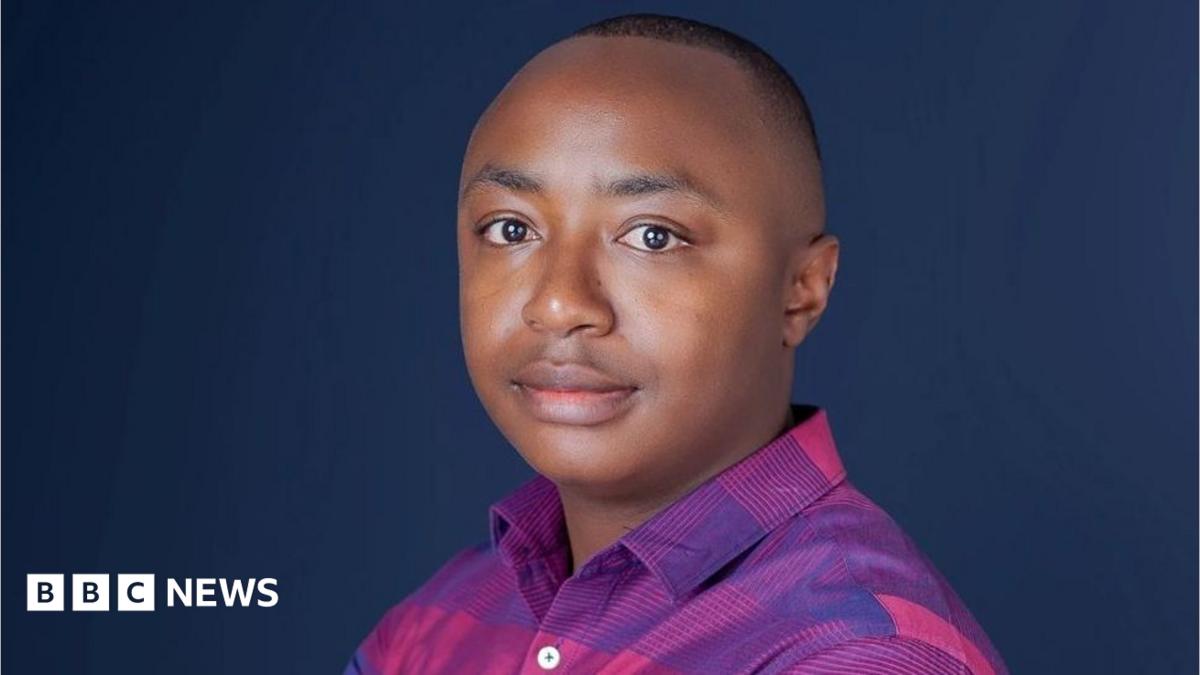
The Caine Prize for African Writing has said that after an internal review it has found no evidence that Zimbabwean writer Simbarashe Kundizeza had used generative AI to write his winning short story and confirmed him as the winner of this year’s £10,000 ($13,000) award.
Ellah Wakatama, chair of the Caine Prize’s board of trustees, said the matter had been investigated following an article in US magazine The Atlantic with the headline, Yet Another Literary Prizewinner Seems to Be AI.
“From our detailed investigation, we feel the evidence is clear: The Blue Fighter was human written,” she said in a video posted on X.
The accusation had caused a social media uproar and Kundizeza had denied the allegation.
The Atlantic article by journalist Vauhini Vara alleged that AI-detection software Pangram had shown his work about a boy whose family falls on hard times was entirely AI generated.
Her allegations followed rows over other literary prizes this year, in particular the Commonwealth Short Story Prize, which was won by Trinidadian writer Jamir Nazir despite allegations that he had used AI, and the withdrawal of Canadian-Haitian author Thélyson Orélien from France’s top literary award, the Goncourt, over allegations he used AI for his first novel, which he denies.
Following the publication of her article last month, Vara had told BBC’s Front Row programme that every other previous Caine Prize winning story she had put through Pangram “came out as 100% human”.
The backlash on social media included comments from African writers with suggestions that such accusations are primarily being made against non-white writers.