







The last round of trilateral talks, held in Geneva in February, ended without a breakthrough. Soon after, the US-Israel war on Iran diverted Washington’s attention from Ukraine, and no other discussions were held since.
Since then, European leaders – who have been largely excluded from peace talks – have pushed to be involved in the process amid concerns that decisions about the security of their continent would be made without them.
European Commission President Ursula von der Leyen urged on Monday to include Nato allies and EU members into any “meaningful discussions about Europe’s security architecture”. President Volodymyr Zelensky has repeatedly stated Kyiv wanted Europe to be part of the talks.
The US official said the Americans would propose moving into a multilateral format bringing the Europeans into the discussion. “Hopefully we’ll get the Russians on board,” the official said, while acknowledging that “the Russians have a bad taste in their mouth with the Europeans.”
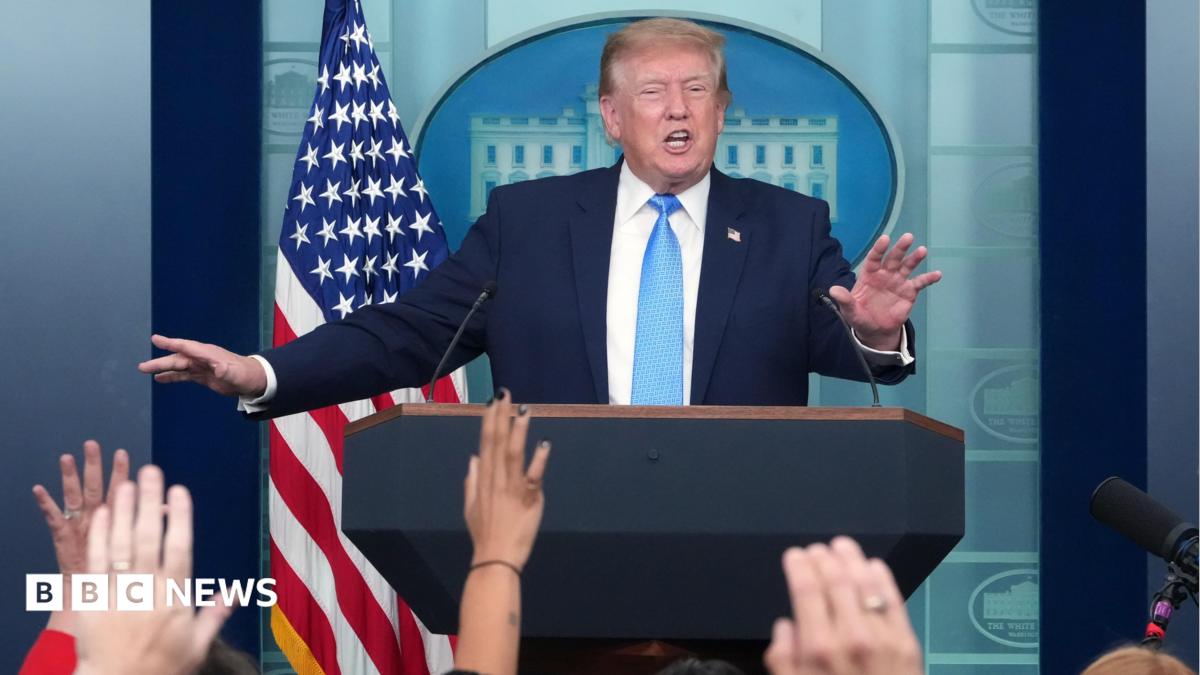
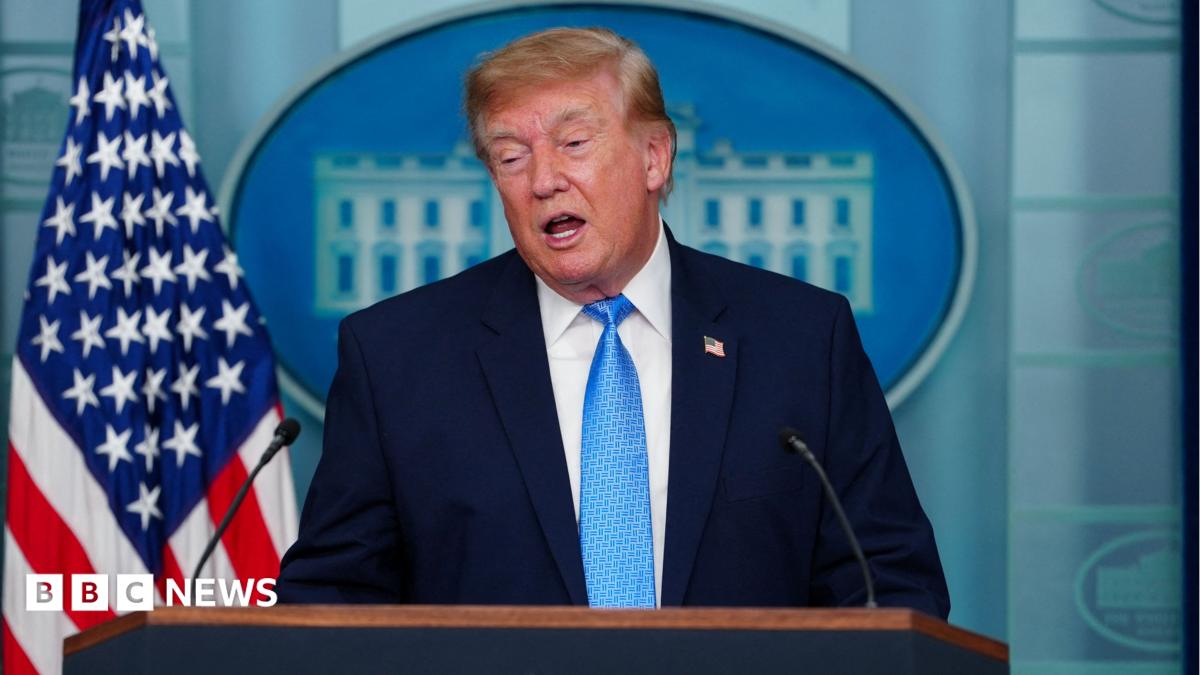
Since the start of his second term in office, US President Donald Trump – who once boasted he could end the war in Ukraine within a day – has spearheaded several rounds of talks to end the conflict, albeit with little success.
Meanwhile, his increasingly conciliatory approach towards Moscow has fuelled deep unease in Kyiv and across the European Union.
After meeting Kremlin envoy Kirill Dmitriev in Washington last week, Trump touted a forthcoming “big, beautiful agreement” on Ukraine which “might involve all of Europe”.
Many in Ukraine are sceptical that this would result into a fair peace.
Ukrainian MP Oleksandr Merezhko, head of the foreign affairs parliamentary committee, told the BBC he believes Trump wants “a quick deal at the expense of Ukraine”, which will certainly be rejected by Kyiv.
The only way to make Putin start real negotiations is by putting greater pressure on Russia through sanctions and deep strikes, Merezhko said.
“While Putin has a war machine up and running, he has no incentives to negotiate.” He also mentioned recent moves by Trump, such as his deal to buy diesel from Russia, as something that “only encourages Moscow to continue the war”.
Moscow’s delegation in Abu Dhabi will include Kremlin aide Vladimir Medinsky, deputy foreign ministers Sergei Ryabkov and Mikhail Galuzin, spy chief Igor Kostyukov and army general Yury Zhigarlovsky.
Kyiv is sending several senior officials who have been part of previous negotiating teams, including Foreign Intelligence Service head Rustem Umerov, Volodymyr Zelensky’s chief of staff Kyrylo Budanov, and MP Davyd Arakhamiya.
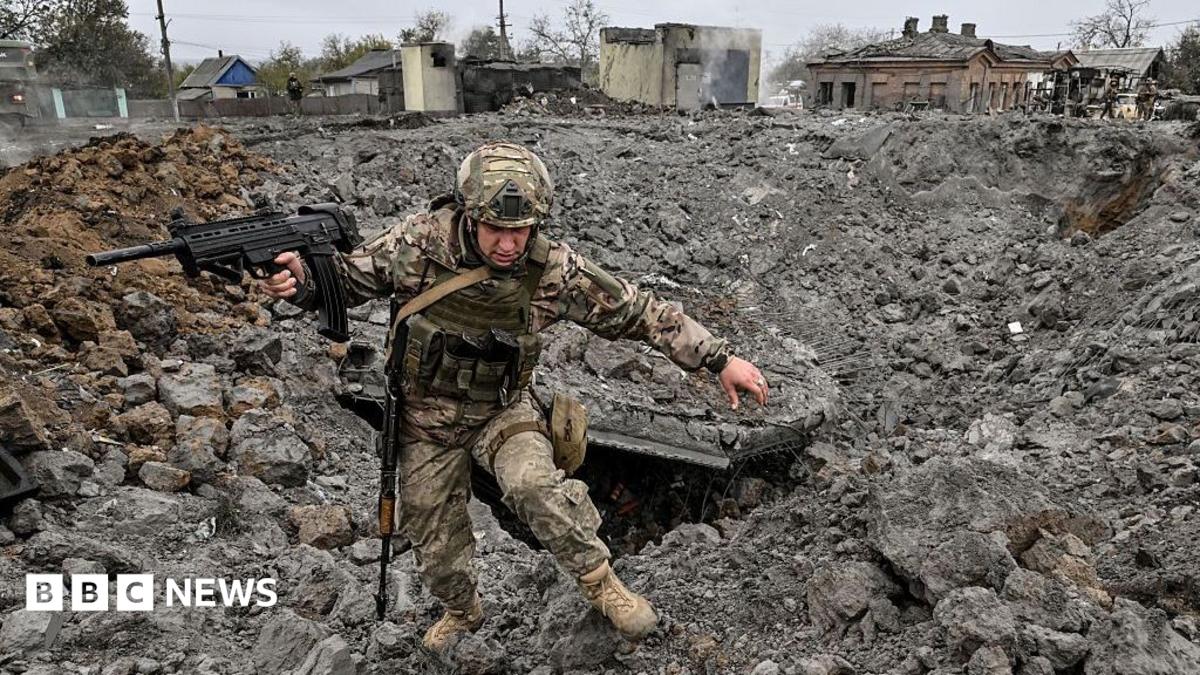
Away from Abu Dhabi, Russia continues to pummel Ukraine with deadly bombardments and strikes on energy infrastructure, viewed in Kyiv as proof Moscow wants to corner Ukraine into accepting a deal on Russia’s terms.
On Monday, Kushner was cautious to point out that the Abu Dhabi talks could at most “build momentum toward the next phase of negotiations.”
“This is an extraordinarily difficult and complicated conflict,” he wrote on X, adding the US was “approaching these discussions with determination and realism.”