





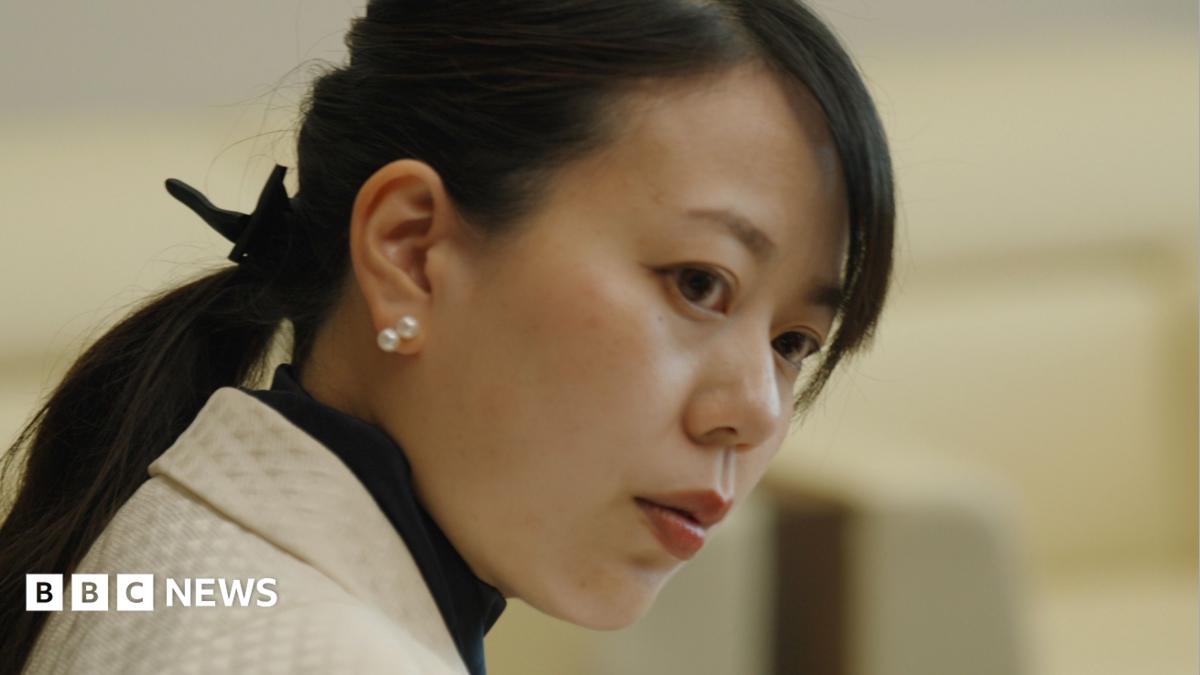
Shoko Kawata, Japan’s first mayor to take maternity leave, has been named one of the 100 most influential rising stars by TIME Magazine.
The recognition comes weeks after the 36-year-old gave birth to her first child on 15 September.
Earlier this year, Kawata, who is mayor of Yawata City in Kyoto prefecture, was plunged into a national debate about whether elected officials should take time off for childbirth.
Her decision to take maternity leave drew a mix of support and backlash across Japan, a country that is struggling to lift birth rates.
Some on social media said having a baby is tough and Kawata is doing her best. Japanese society has failed to design systems with pregnancy in mind, one claimed. Another said Kawata is setting a wonderful example by putting her family first and making it easier for other women to enter politics.
But critics argued that stepping away from public duties is “irresponsible”, and that if Kawata wanted to get pregnant “she should have done so before taking office”. One said top officials wanting to take extended leave “should resign”.
Others insisted salaries should be cut during maternity leave.
In a sit-down interview with the BBC before giving birth, Kawata brushed off the criticisms, proudly declaring she enjoys her job and believes now is the time for her to have a child and start a family.
“If we were to criticise politicians taking maternity leave, it means we are effectively excluding all women in their 20s through 40s – women who are capable of becoming pregnant – from public office,” she said.
While Japan provides maternity leave for city workers, there is currently no legal framework for local elected officials. So Kawata worked with her office to create a plan. She transferred her authority to her deputy mayor Shigeto Nose for 16 weeks, while working remotely when she could.
On 15 September, Mayor Kawata announced she gave birth to a baby girl. She posted a photo on X, external, thanking those who had supported her, and doubled down on her goal to advocate for social issues nationwide.
“As I face the countless challenges that lie ahead and learn what it truly means to be a parent, I want to reflect those experiences in real time into the policies I pursue,” she wrote.
“I want to confront the many challenges facing parents and children today from that same perspective, as someone living through them myself, and think about how we can find a way forward together.”