




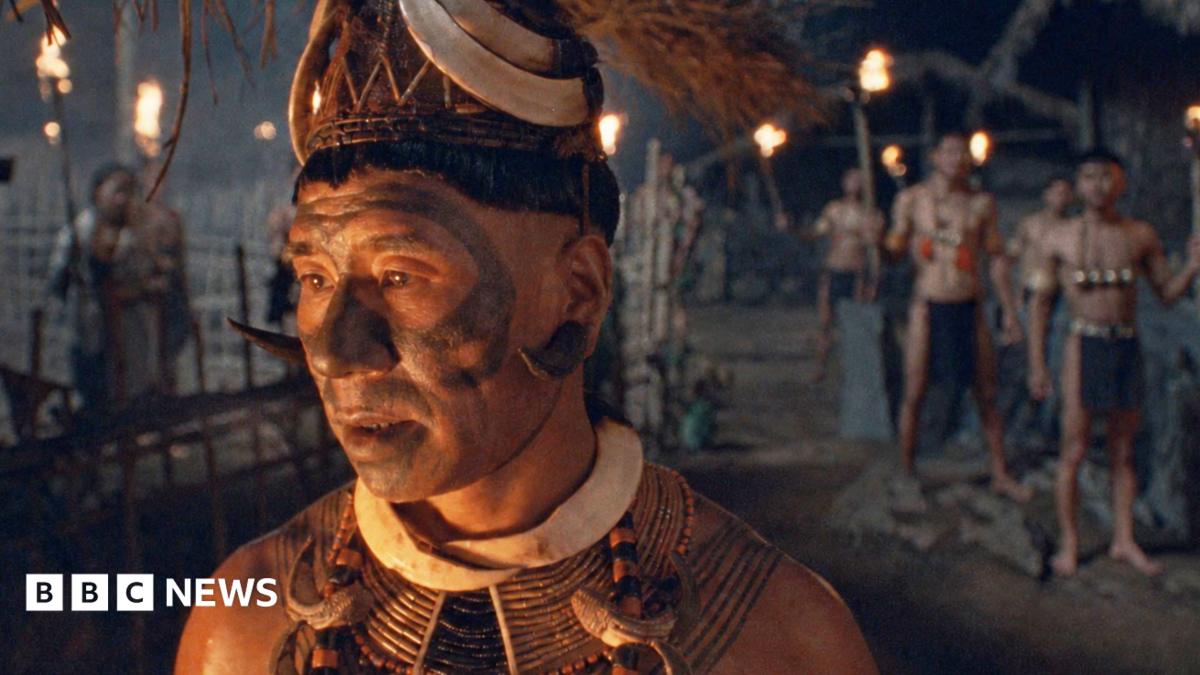
There is something pleasingly improbable about Angh.
The film comes from Nagaland, a mountainous state of fewer than two million people on India’s northeastern frontier, and is in Konyak, a tribal language unfamiliar to most Indians, never mind audiences abroad. It was director Theja Rio’s first feature and most of its cast faced a camera for the first time.
And yet, at the Toronto International Film Festival this month, this quiet film won the Platform Prize, a major juried award.
The award is intended to recognise films with a particularly distinctive directorial voice. The jury praised Rio’s “refreshing perspective” and the film’s portrait of a world rarely encountered on the international screen.
The win also gives Angh an unusual route towards the 2027 Academy Awards. Under new rules, winners of designated prizes at six international festivals can qualify for consideration in the International Feature Film category without relying solely on their country’s official submission.
This does not make Angh an Oscar nominee. But it does place a Konyak-language film from one of India’s smallest states inside a global conversation from which such stories have been almost entirely absent.
Rio still sounds slightly startled by it. When we speak in Delhi, roughly 72 hours after the win, he has barely had a moment to breathe – Toronto, flights, interviews, more interviews.
“There were a lot of good films in the competition”, he says, including films by far more seasoned directors. His producers were confident.
“They thought we were going to win. I wasn’t.”
He is also less solemn than Angh might suggest. Before cinema, he wanted to be a rapper – “a kid from Compton instead of a kid from Nagaland”, as he puts it. His tastes still range happily from Black Thought, the lead rapper of American hip-hop group The Roots, to his favourite filmmaker, the Iranian director Abbas Kiarostami.
But for his first feature, he turned close to home.
Set in the early 1960s, Angh follows Anghba, the ageing hereditary chief of a Konyak village, and his young son, as the world around them changes. The Konyaks are one of Nagaland’s 17 major tribes, concentrated in the eastern district of Mon, where such chiefs are known as Anghs. Even today, some older men bear facial tattoos associated with the Konyaks’ historical practice of headhunting.