

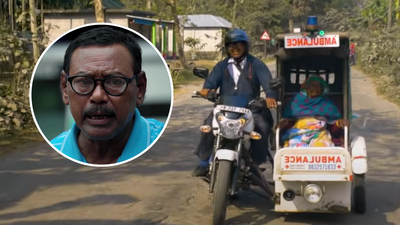
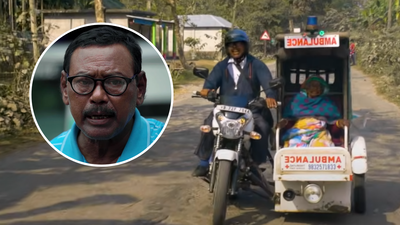
There are some promises that are made quietly, in the middle of grief, when nobody else is listening. Karimul Haque made one such promise to his mother. “My mother died without treatment. That day I took a vow, ‘Maa, I will not let anyone in this village die without treatment.’” For a man living in a remote village in West Bengal, it was an enormous promise.Years later, that promise he made in 1995 would take him through muddy village roads, narrow lanes and emergencies where every minute mattered. It would turn an ordinary motorcycle into an ambulance and a tea garden worker into the man people across his village came looking for, eventually earning him the Padma Shri, one of India’s highest civilian honours. This is how Karimul Haque became “The Bike-Ambulance Dada.”
28 Jul 2026 | 16:22
How do you teach children about money and financial responsibility?
When asked why he started the bike ambulance service, Haque replied to Pavel-O-Pedia in his sweet voice, “For my mother.”
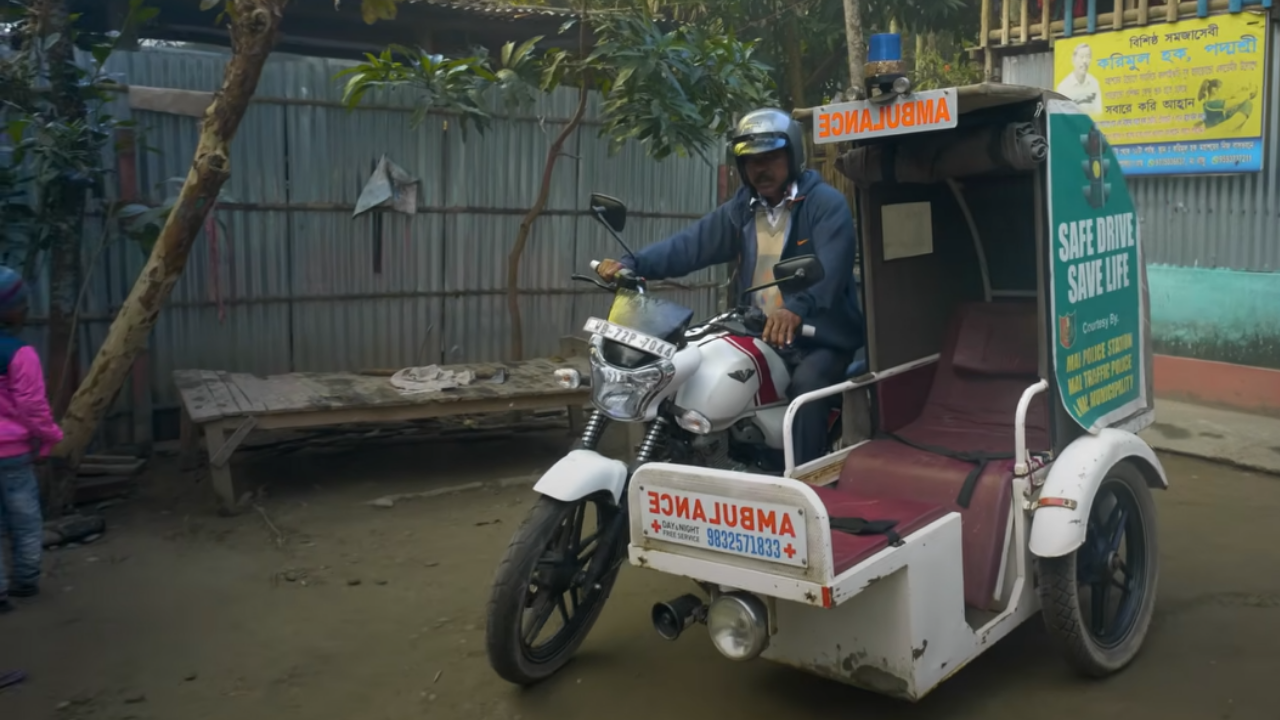
Photo source: Great Big Story
According to KRC Times, the first time Haque realised his motorcycle could actually become a lifeline came when a fellow tea-garden worker suddenly fell ill. Haque was still working in the tea garden himself. There was no ambulance readily available, and waiting for one was not an option. So he did what he could. He carried the ailing worker on his back, placed him on his motorcycle and set off for the nearest hospital.The worker survived. For Haque, that journey changed something. This was when Haque felt even a bike can do the “work of an ambulance.”“From that day, I decided to use my bike… and even today, I take patients to the hospital on it. Sometimes 70 km, sometimes 60 km, sometimes 40 km. Sometimes to Malbazar, sometimes Siliguri, sometimes Jalpaiguri,” he told Pavel-O-Pedia.
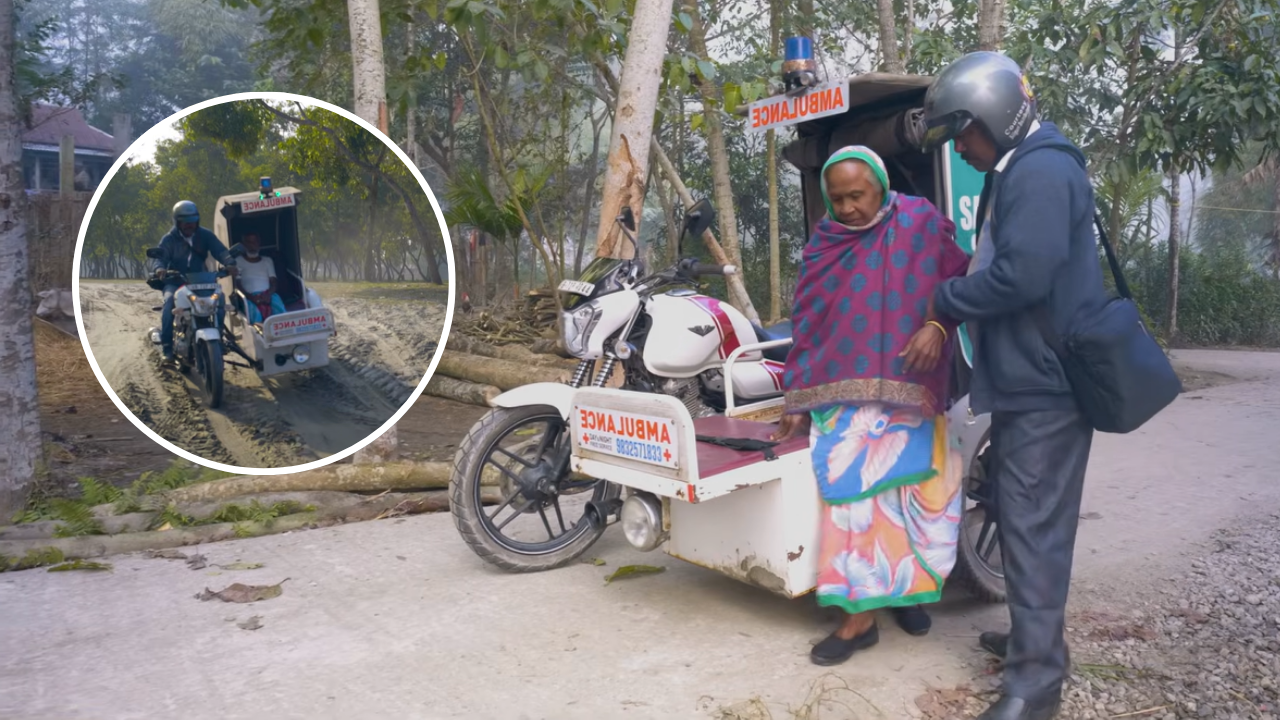
Photo source: Great Big Story
Over time, his motorcycle became familiar in villages where an ambulance could take too long to arrive. Now, while taking patients to doctors, “I have myself become a kind of first-aid doctor,” Haque told Pavel-O-Pedia. “Doctors have trained me. They taught me what needs to be done when there is an accident on the road, and what to do if the patient is a child.”For families who had little money and even fewer options, Haque was often the person they thought of first.His extraordinary story was eventually recognised with the Padma Shri in 2017 for his contribution to society. But the award did not change the reason he continued riding.Even after the recognition, Haque kept doing what he had started decades earlier- getting on his motorcycle and taking patients to hospitals. As of 2025, Haque says he has carried more than 6,500 patients.
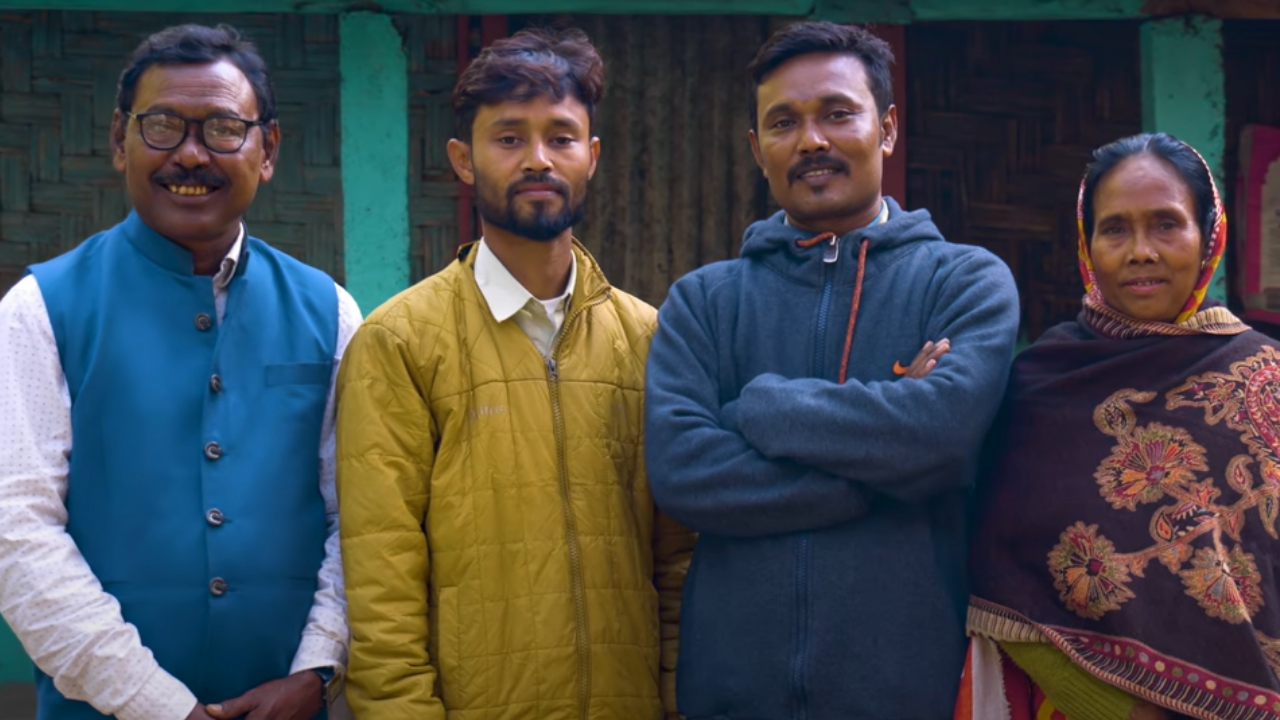
Photo source: Great Big Story
Today, Karimul’s whole family is involved with the ambulance service. “I’m not alone in this. My sons also ride the bike ambulance. They do more work than me,” Karimul said to Great Big Story. “I get very happy when someone thanks me for saving their life, and that feels very good,” he added.Six thousand five hundred patients is a number. But for Haque, each number has a face, a family and a story. And perhaps that is why, even after all these years, the reason he gives for starting remains the simplest one: “For my mother.”
What Karimul Haque’s story can teach parents
There is a quiet parenting lesson in Haque’s story too- one that has little to do with telling children to “be kind” or “help others.” Children notice what we do far more than we realise. Haque’s sons have grown up watching their father leave home to take strangers to hospital. They have seen the long journeys, the difficult roads and, perhaps most importantly, the people who return with a simple thank you. That may be one of the most meaningful things children can inherit from a parent- not money or possessions, but a way of looking at other people.For parents, there is something worth pausing over here. We often worry about whether our children are becoming successful, confident or ambitious enough. But there is another question worth asking: Are they learning to notice when someone else needs them?