




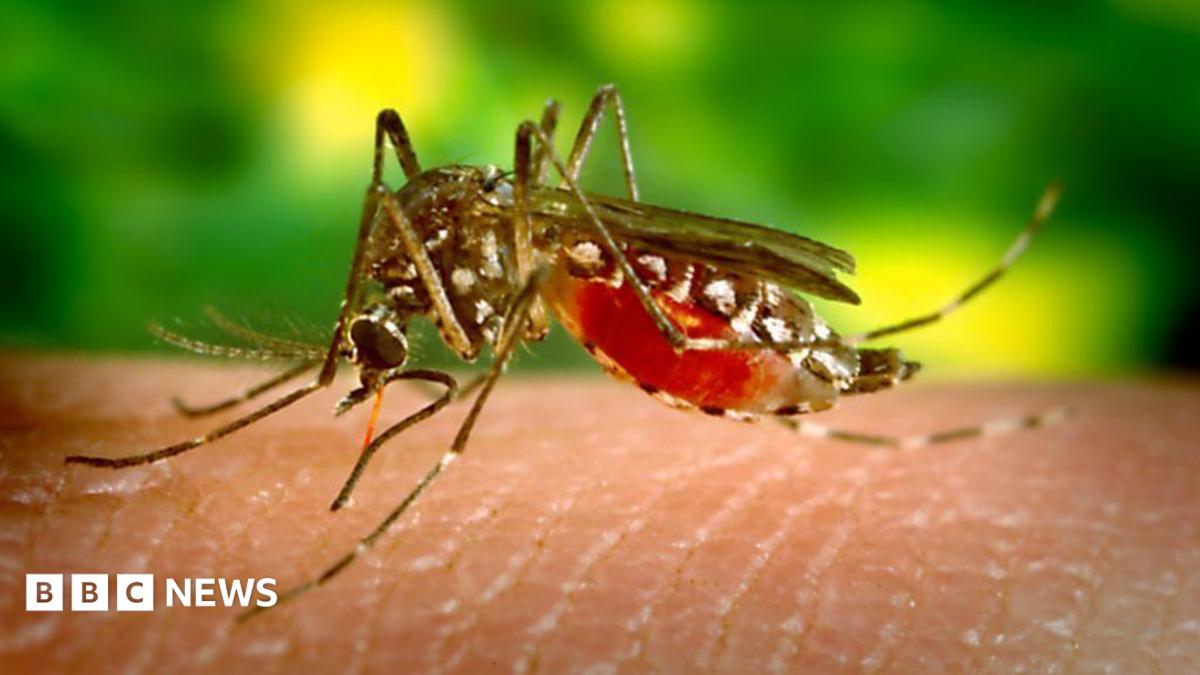
Sri Lanka’s health authorities attribute the surge in dengue infections to a cyclone that tore through the island last December, scattering debris that have turned into new breeding grounds for mosquitoes.
The government has tasked the military to use drones to scan the rooftops of homes, schools and construction sites, and deployed police officers to go to people’s homes for physical inspections,
Nearly 11,000 mosquito breeding sites have been cleared so far this month, while more than 4,000 premises fined for harbouring those sites.
Although infections have been reported across the country, they tend to concentrate in urban areas, such as in the capital city Colombo.
Hospitals have added beds and extended work hours to cope with the outbreak, and public health workers are “stretched to their limit”, Kannangara from the National Dengue Control Unit tells Reuters news agency.
“The number of patients is high, and the severity of the cases is high,” he says, noting that about 75% of the cases were linked to the more virulent dengue strain.
Capacity constraints have prompted doctors to advise patients with mild symptoms to rest and recover at home.
Authorities are also considering a dengue vaccine, but health experts have suggested that it would be hard to develop such a vaccine given the four distinct strains of the virus.