




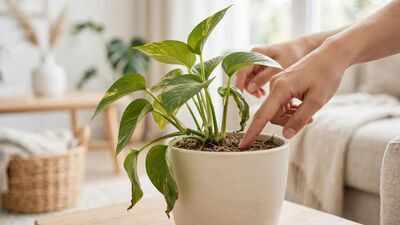
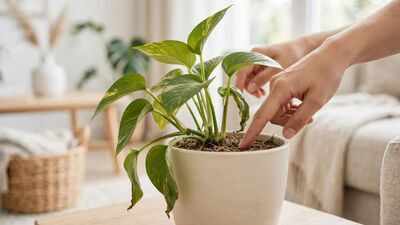
Knowing when to water a houseplant is not always as simple as checking the soil with your finger. Plants often show signs when they are running short of water. Leaves may begin to droop, new growth can look weak, or the pot itself may feel much lighter than it did after watering. These small changes can help you decide when your plant needs a drink without disturbing the soil. What you put into the pot matters too. Kitchen scraps may seem like a natural way to feed a plant, but fresh food waste does not belong directly in most houseplant pots. Fruit peels and leftovers can break down slowly. They may attract flies and other pests or encourage molds. Some foods can also affect the potting mix. A healthier approach is to watch the plant for signs of water stress and keep food scraps out of the pot. If you want to reuse kitchen waste, compost it properly first.
5 signs to watch before watering your houseplant
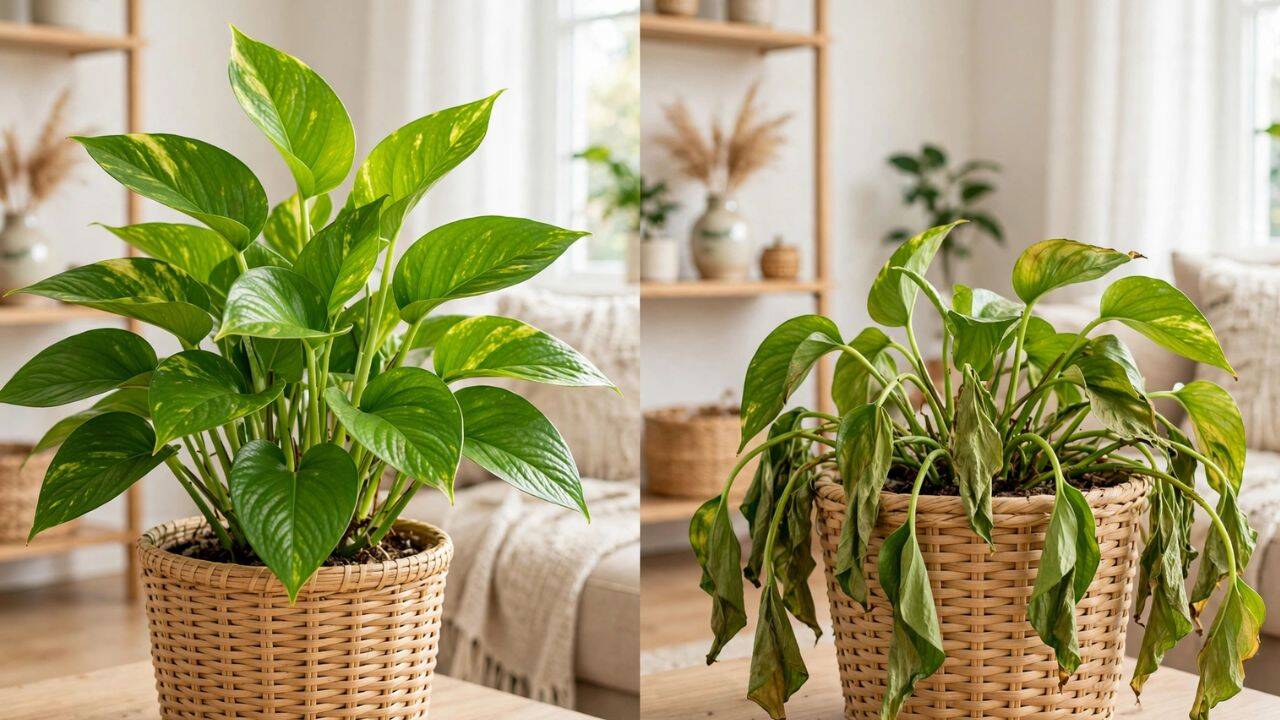
Check the leaves for drooping
Leaves can provide one of the clearest visual clues that a plant needs water. When a plant becomes too dry, its leaves may start to droop or look less firm than usual.The change is often easier to notice if you know how the plant normally looks. Some plants naturally have leaves that hang down, so it is important to look for a change rather than relying on drooping alone.
PC: AI Generated
Look for curling or dry leaf edges
Leaves that curl or develop dry and crispy edges can also be a sign of water stress. The problem may begin at the edges before becoming more noticeable across the leaf.However, dry edges can have other causes too. Strong sunlight, dry air, and other growing conditions can produce similar symptoms. Look at the plant as a whole before deciding that it needs more water.
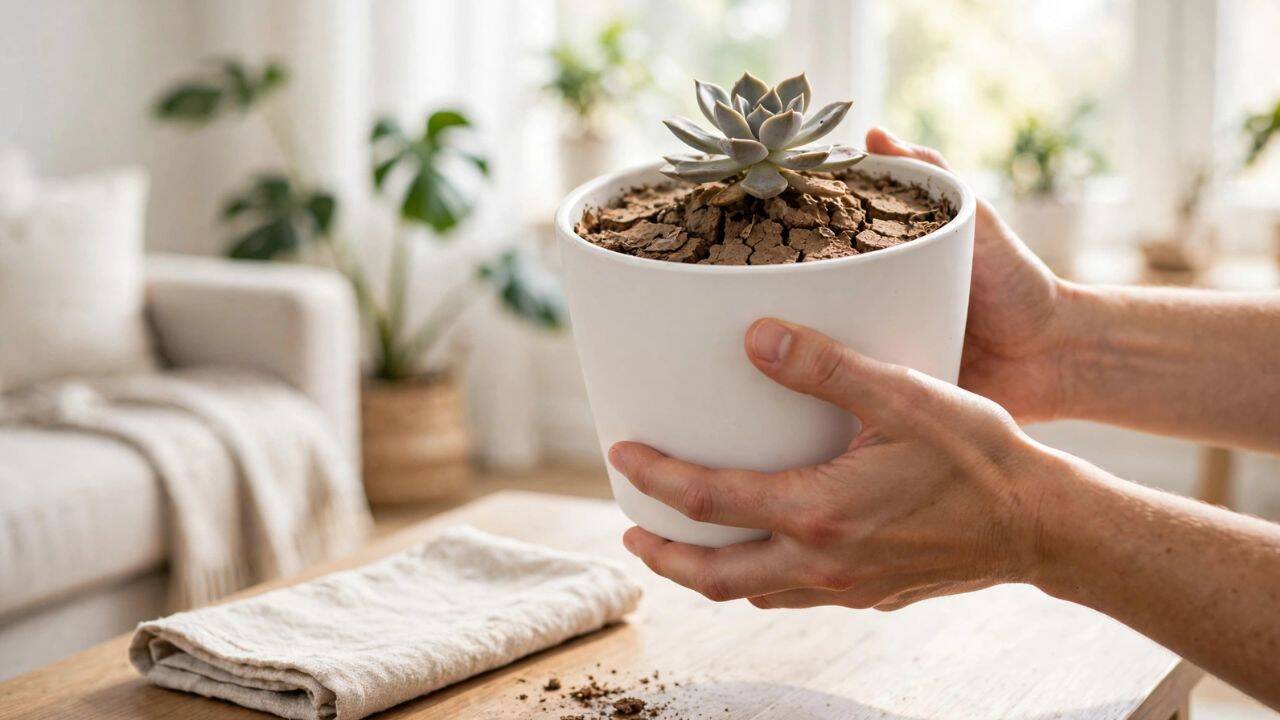
Lift the pot to check its weight
A simple way to judge moisture without touching the soil is to lift the pot. A container usually feels heavier when the potting mix contains more water.Try lifting it after watering and remember how it feels. Check again after a few days. If it feels much lighter and the plant is also showing signs of stress, it may be time to water.
PC: AI Generated
Watch the new growth
A plant that is not getting enough water may produce slower growth or new leaves that look weak.This is not an immediate sign, so it should not be used on its own. But regular observation can help you spot changes before the plant becomes badly stressed.
Check around the drainage holes
After watering, some moisture may appear around the drainage holes or collect in the saucer.Do not leave a plant to remain in excess water. Empty the saucer when needed. Waterlogged roots can cause problems just as quickly as a lack of water.
How to water houseplants without leaving them too dry or too wet
Water slowly and evenly
If the plant seems very dry, water it slowly rather than pouring a large amount all at once. Add enough water to wet the potting mix evenly and allow excess water to drain from the bottom.
Water according to the plant’s needs
There is no single watering schedule that works for every houseplant. Tropical plants may need water more often than drought-tolerant varieties. Pot size, light, temperature and the season can also change how quickly the mix dries.
Water deeply until it drains to the roots
When your plant needs water, do not just wet the top of the soil. Water it well until some water starts coming out of the drainage holes. This helps the roots get enough water.
Avoid watering again too soon
Do not water the plant again just because its leaves still look a little dry. Leave it for some time after watering and watch for changes in the leaves and stems.